Pěšky k lesu: A New Route from Hodonín Railway Station to the House of Nature Is Gradually Coming to Life
Published: 28. may 2026
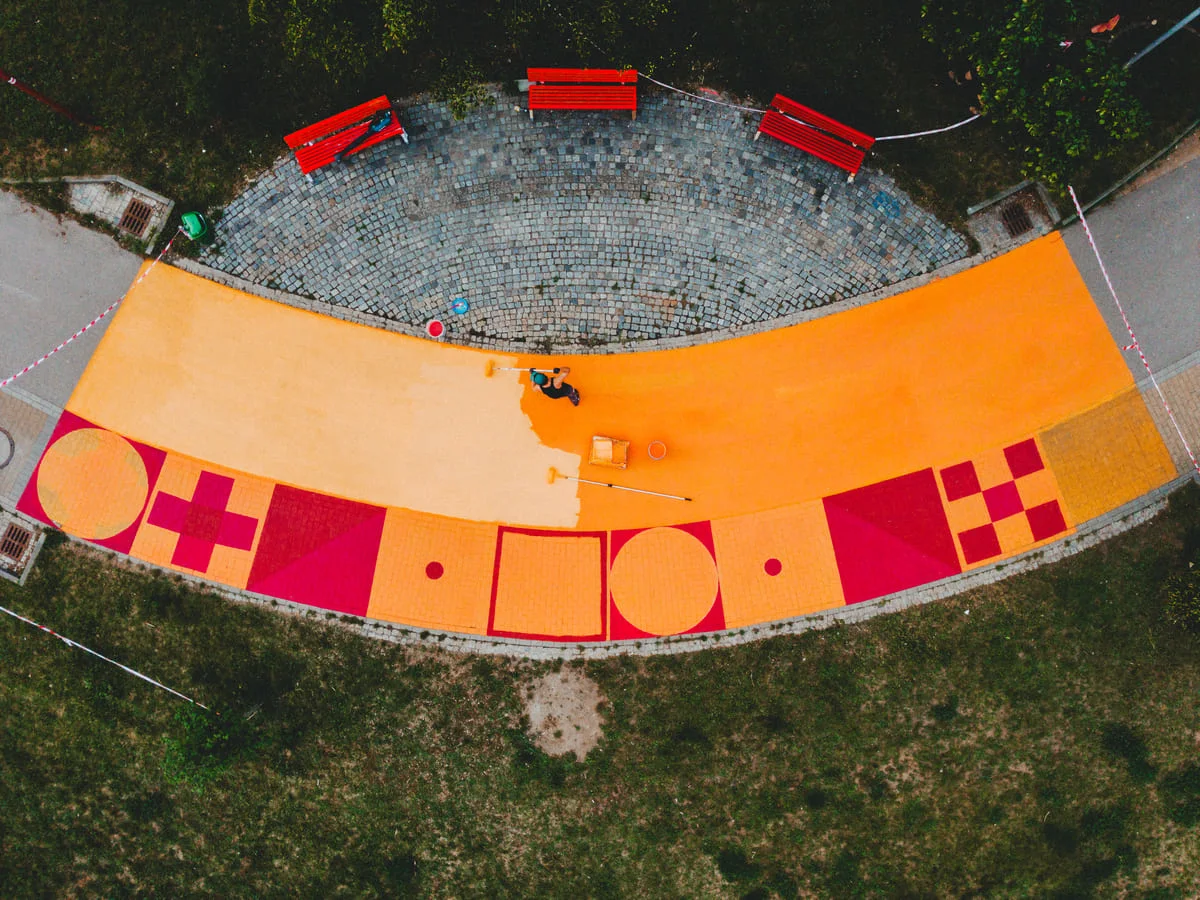
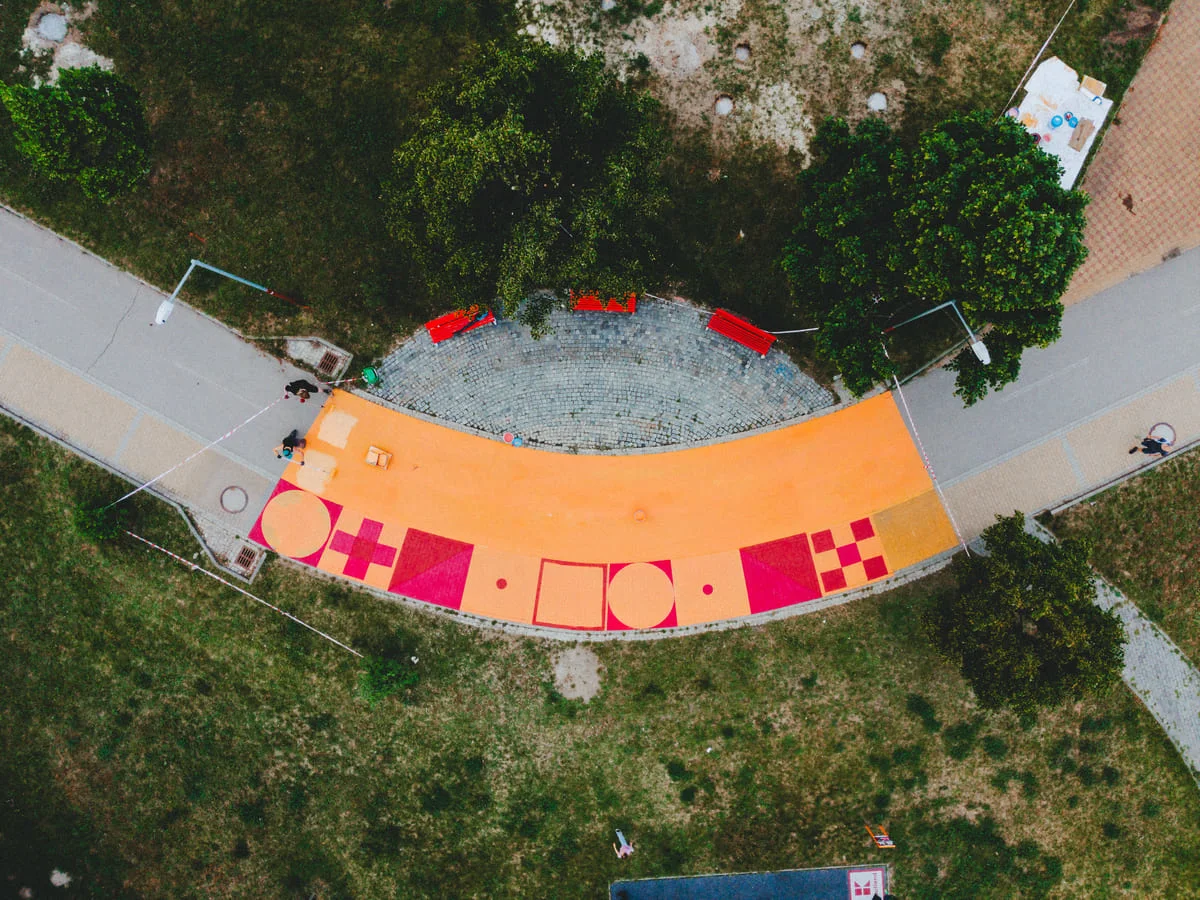
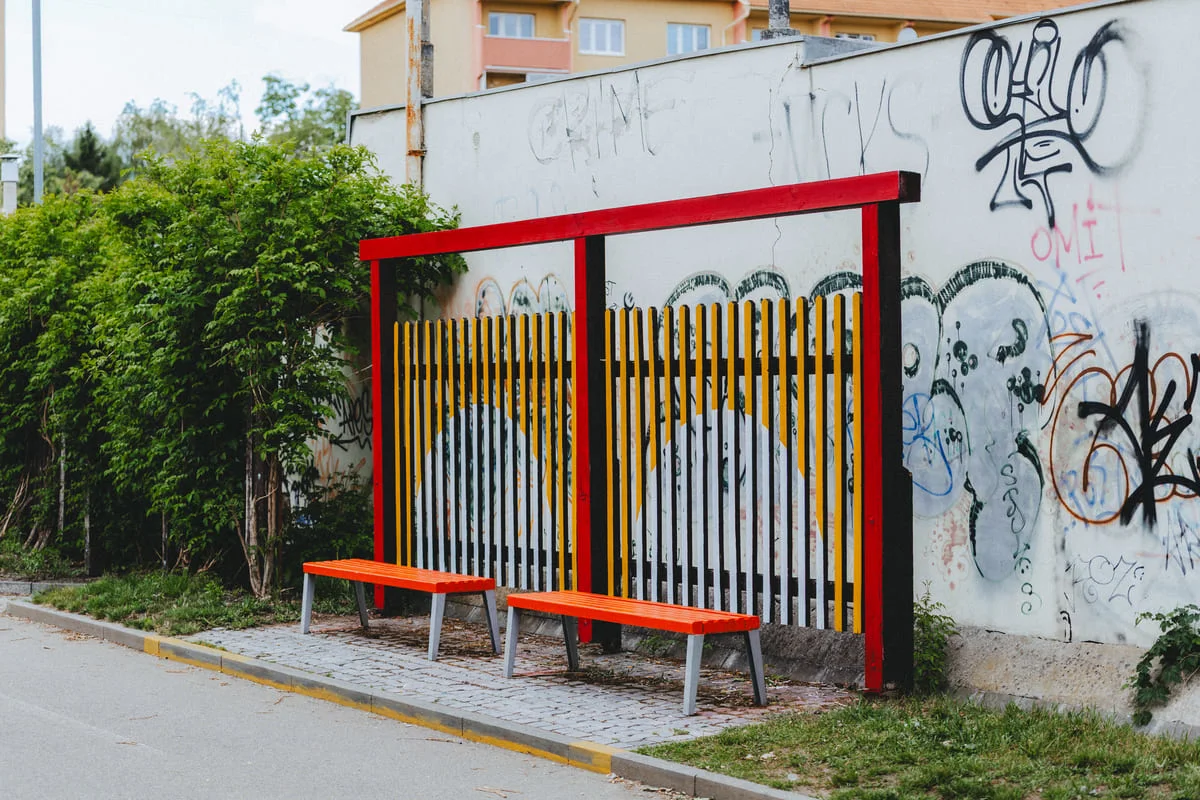
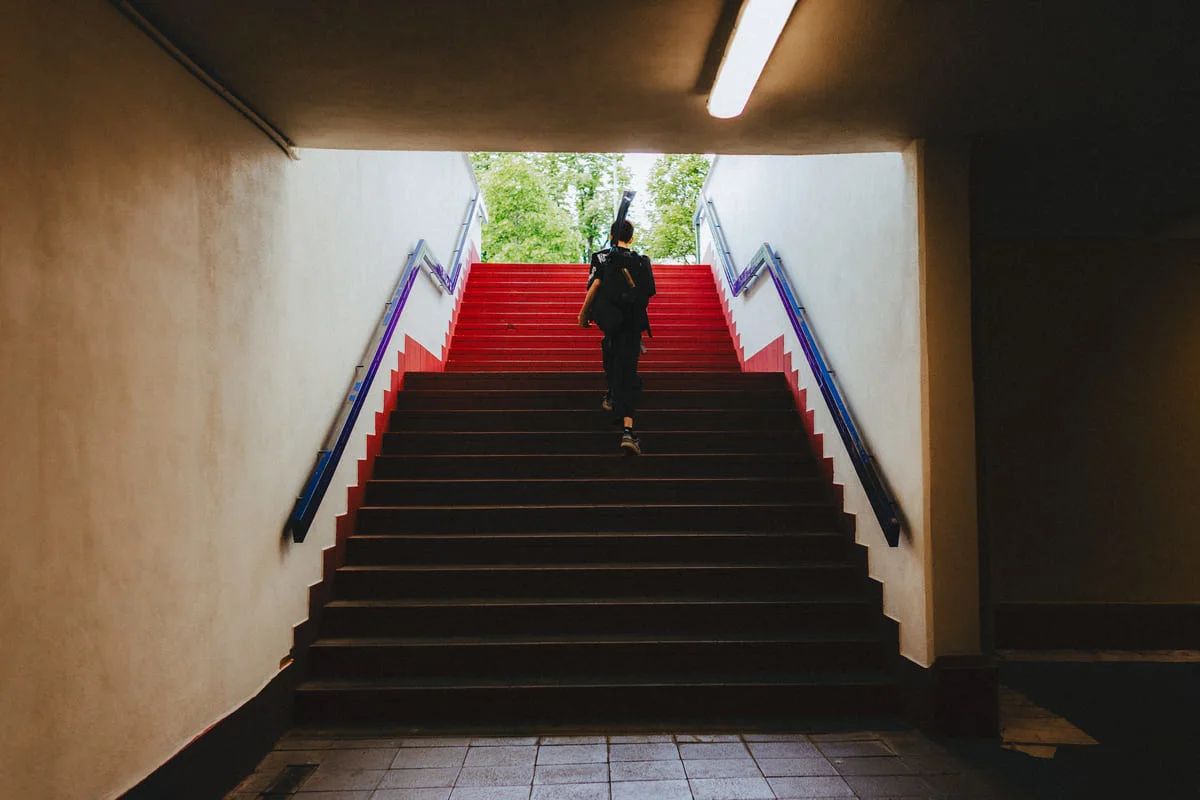
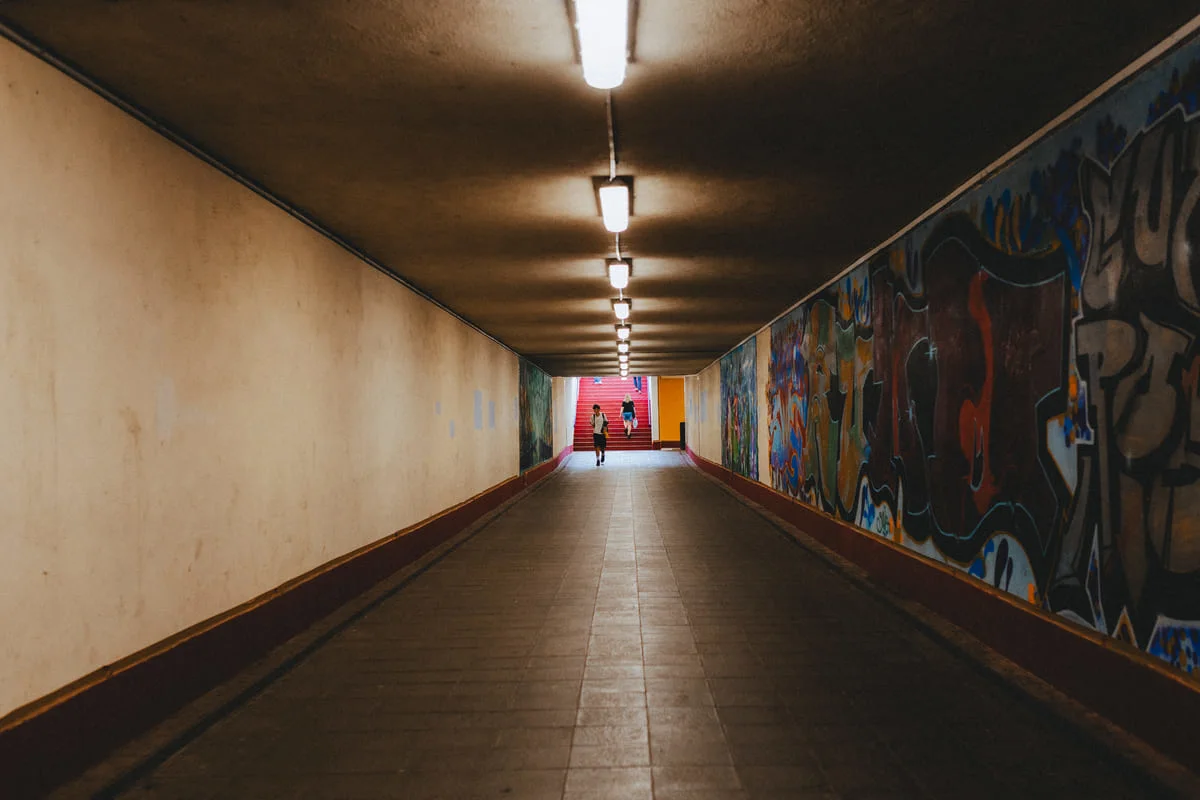
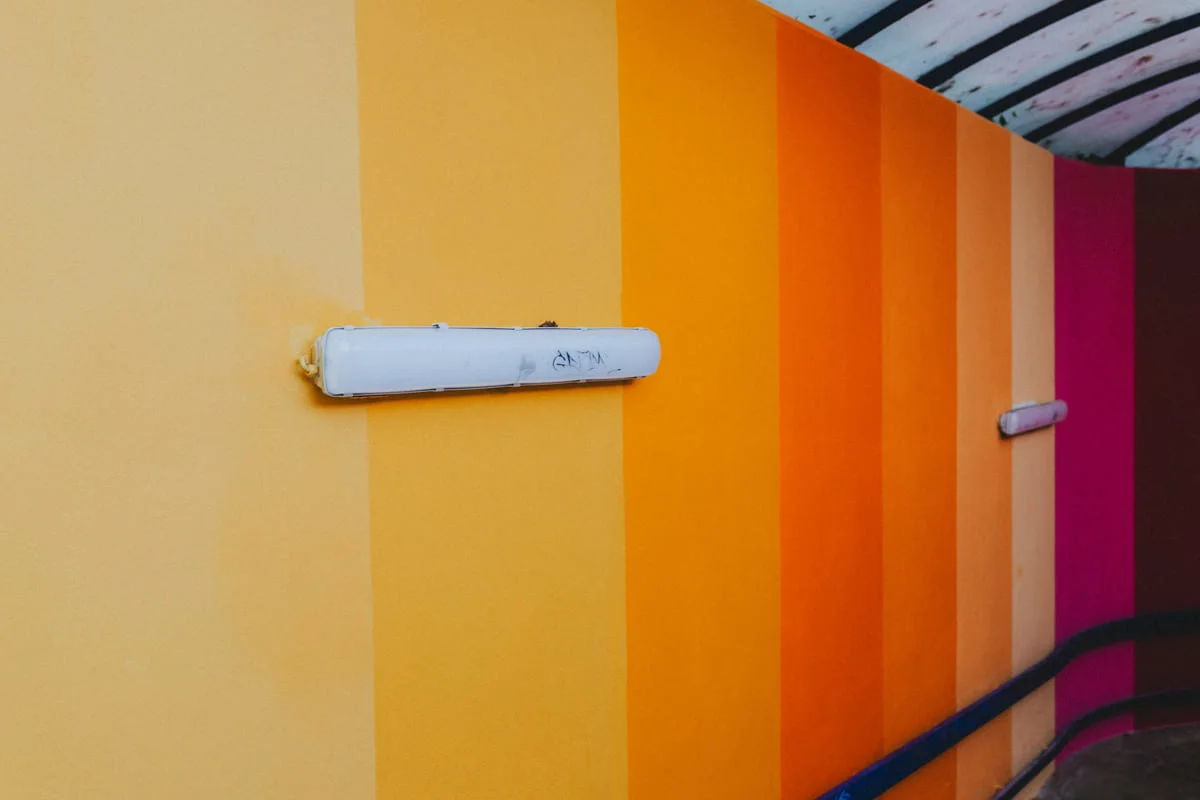
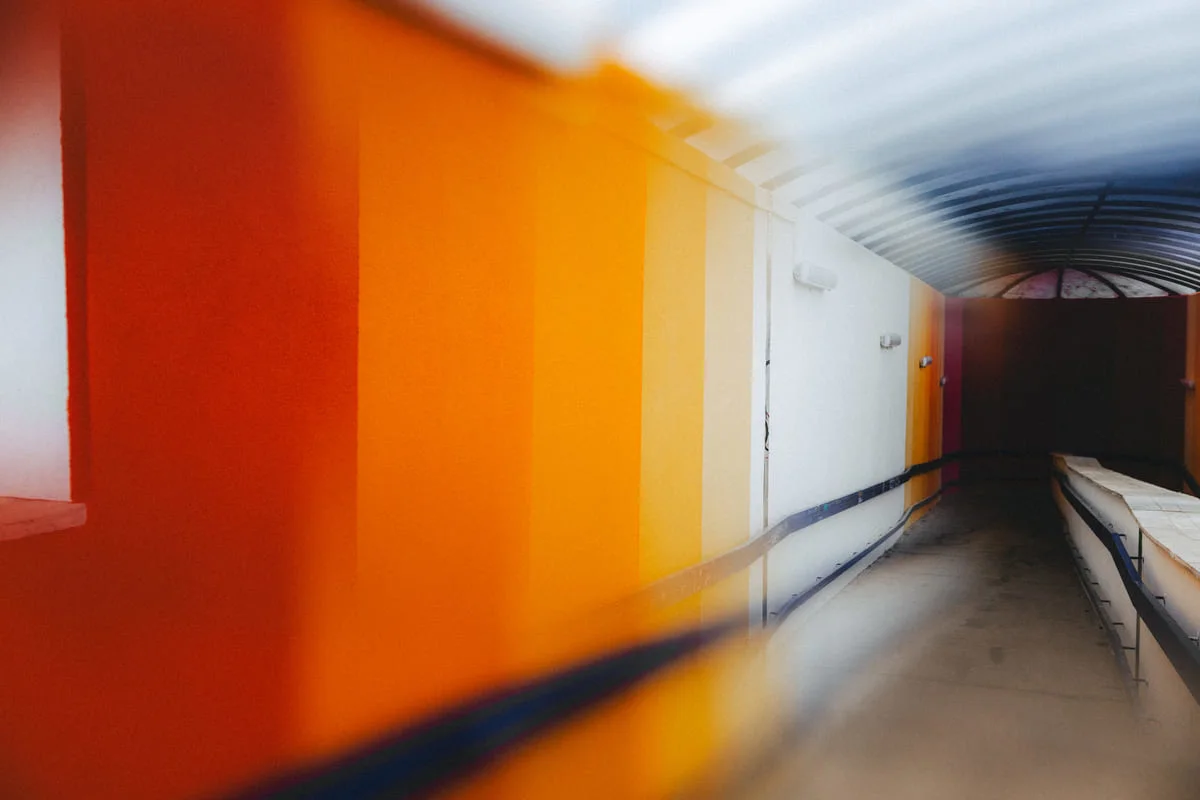
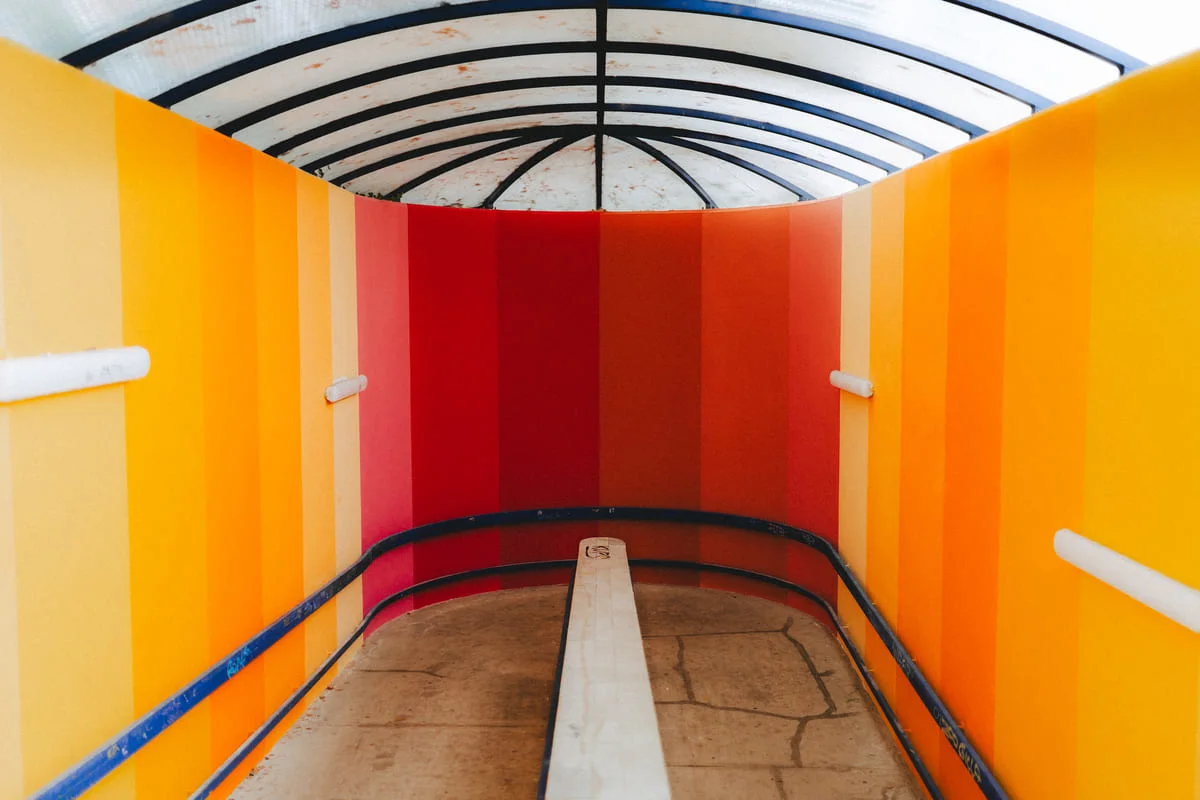
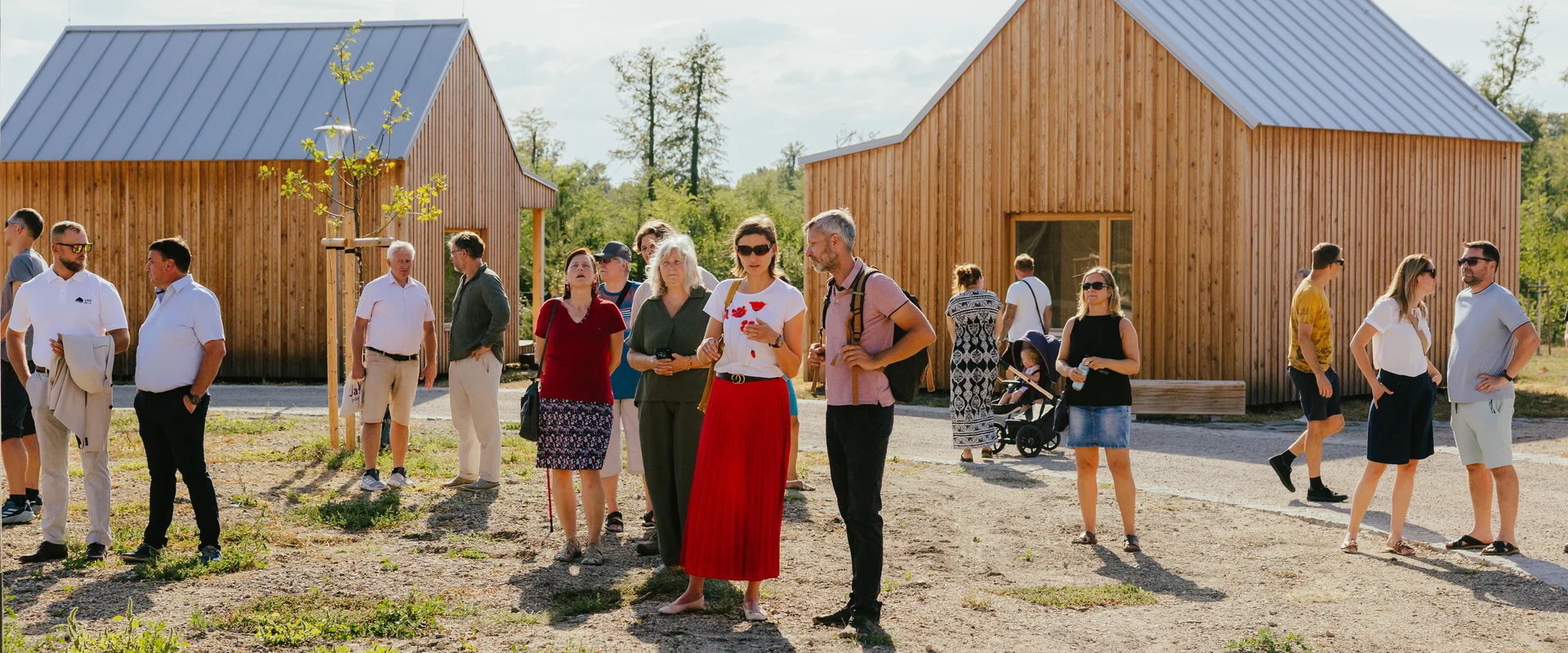
Along the route from Hodonín railway station to the House of Nature of the Hodonínská Dúbrava, the first changes from the Pěšky k lesu project are already visible. The underpass has gained a new colourful look that has brightened and enlivened the space. A highlighted pedestrian crossing contributes to a greater sense of safety. Colour interventions have also transformed the bend, the lampposts, and other elements along the route. The Pěšky k lesu route is being developed in cooperation with the Karel Komárek Family Foundation, the Danish studio Gehl Architects, U/U Studio, and the City of Hodonín. Its aim is to create a safer, clearer, and more pleasant public space for everyday movement through the city.
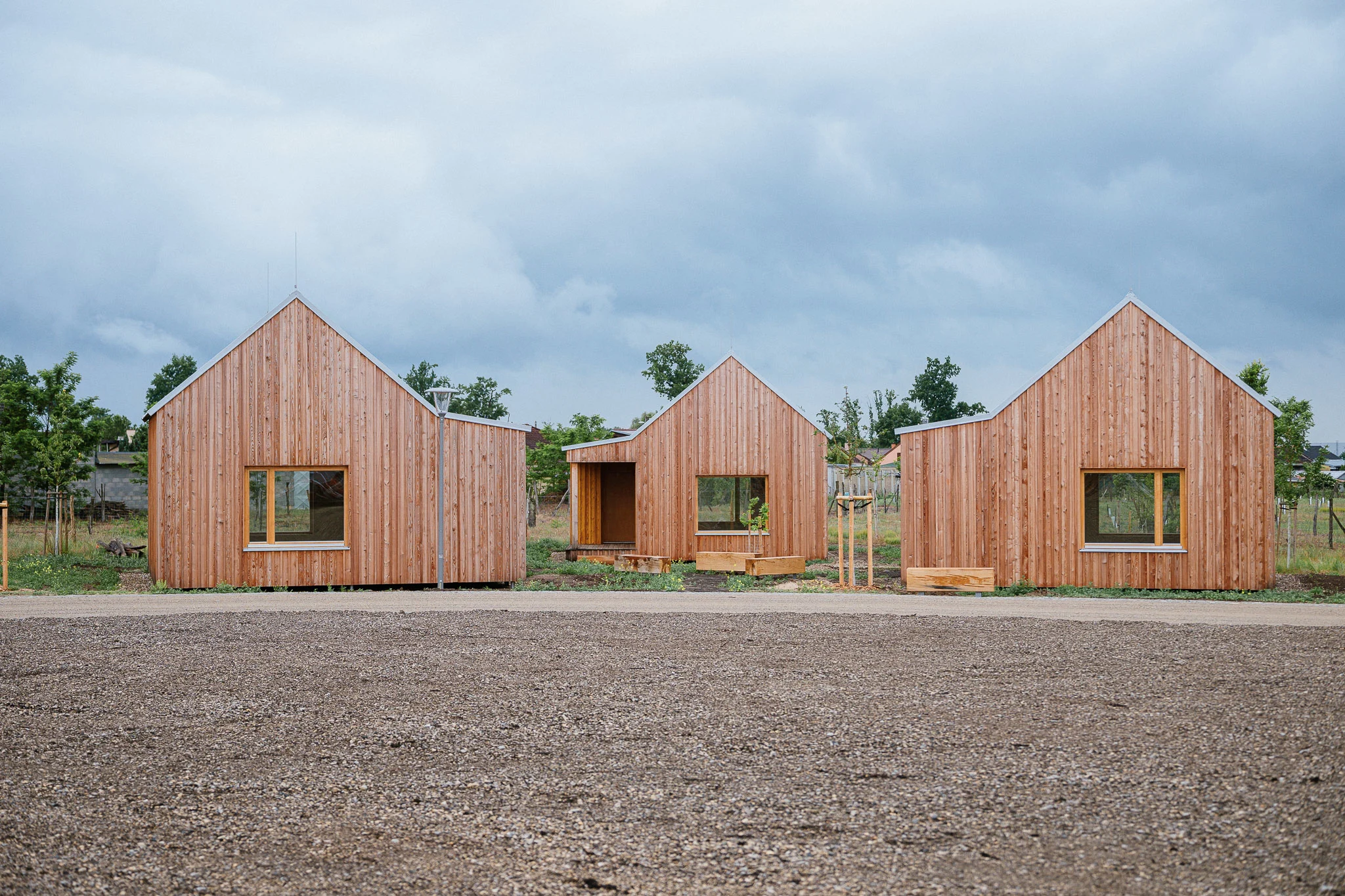
The Pěšky k lesu project is gradually turning an ordinary route into a gateway to the Hodonínská Dúbrava landscape. The purpose is to connect two points on a map and create a comfortable and natural environment for everyday walking. The Foundation has placed emphasis on high quality public spaces, thoughtful work with greenery, and the creation of places for short stops, meetings, or taking a rest. The design also responds to climatic conditions and to the need to support natural movement without dependence on cars.
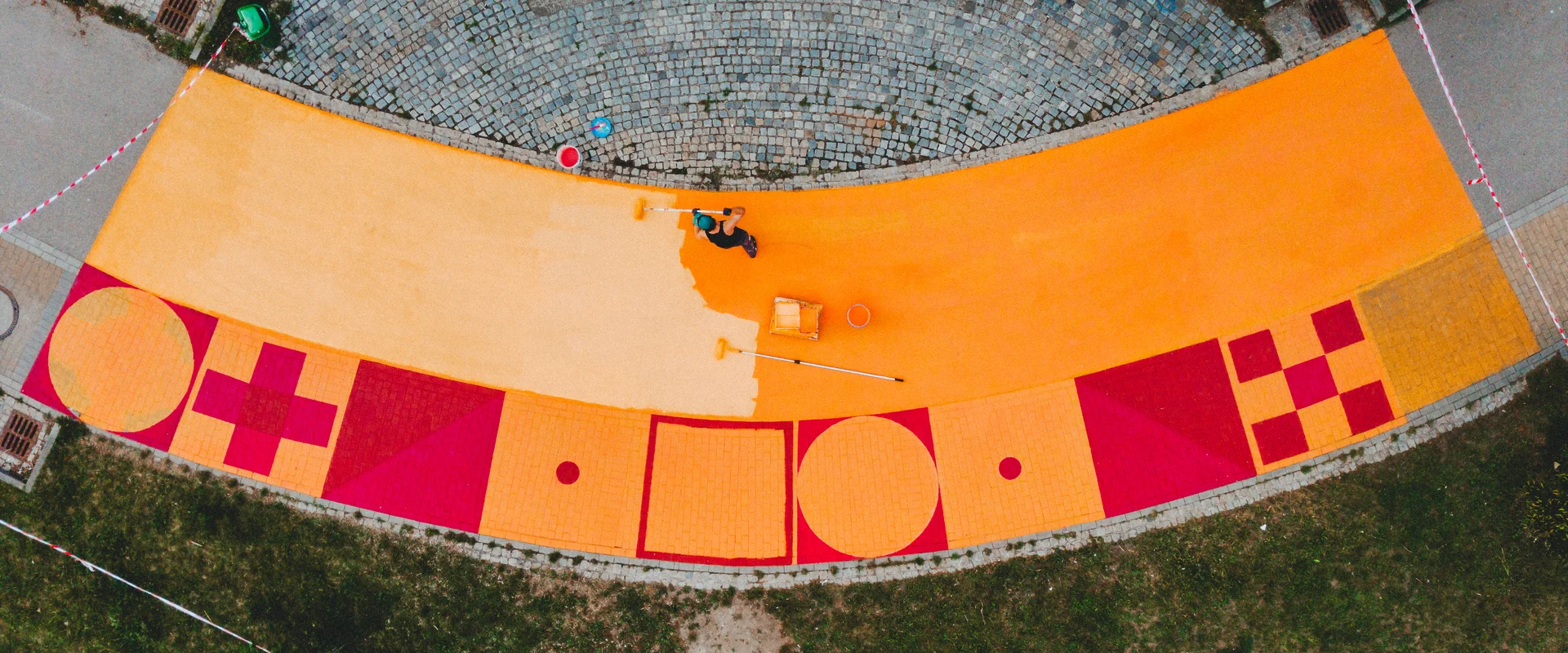
The concept, developed by Danish architects, includes three main zones. A safe space for teenage girls, a community section around the Marina shopping centre, and a playful destination zone by the House of Nature of the Hodonínská Dúbrava. Individual elements are being created step by step directly on site and show how thoughtful work with public space can positively shape everyday life in the city. The newest artistic elements along the route were created by artist Jakub Karlík, who contributes to the project’s visual identity.
Jakub Karlík
Jakub Karlík, also known as Jakokarlik, works in street art, graphic design, illustration, and design. In his projects, he engages with public space and has long contributed to the transformation of overlooked places, for example through DIY skate spots in Plzeň. He also led the transformation of a neglected underpass near the Vltavská metro station in Prague. His work is characterised by bold, colourful geometry that responds to architecture, landscape, light, and shadow.
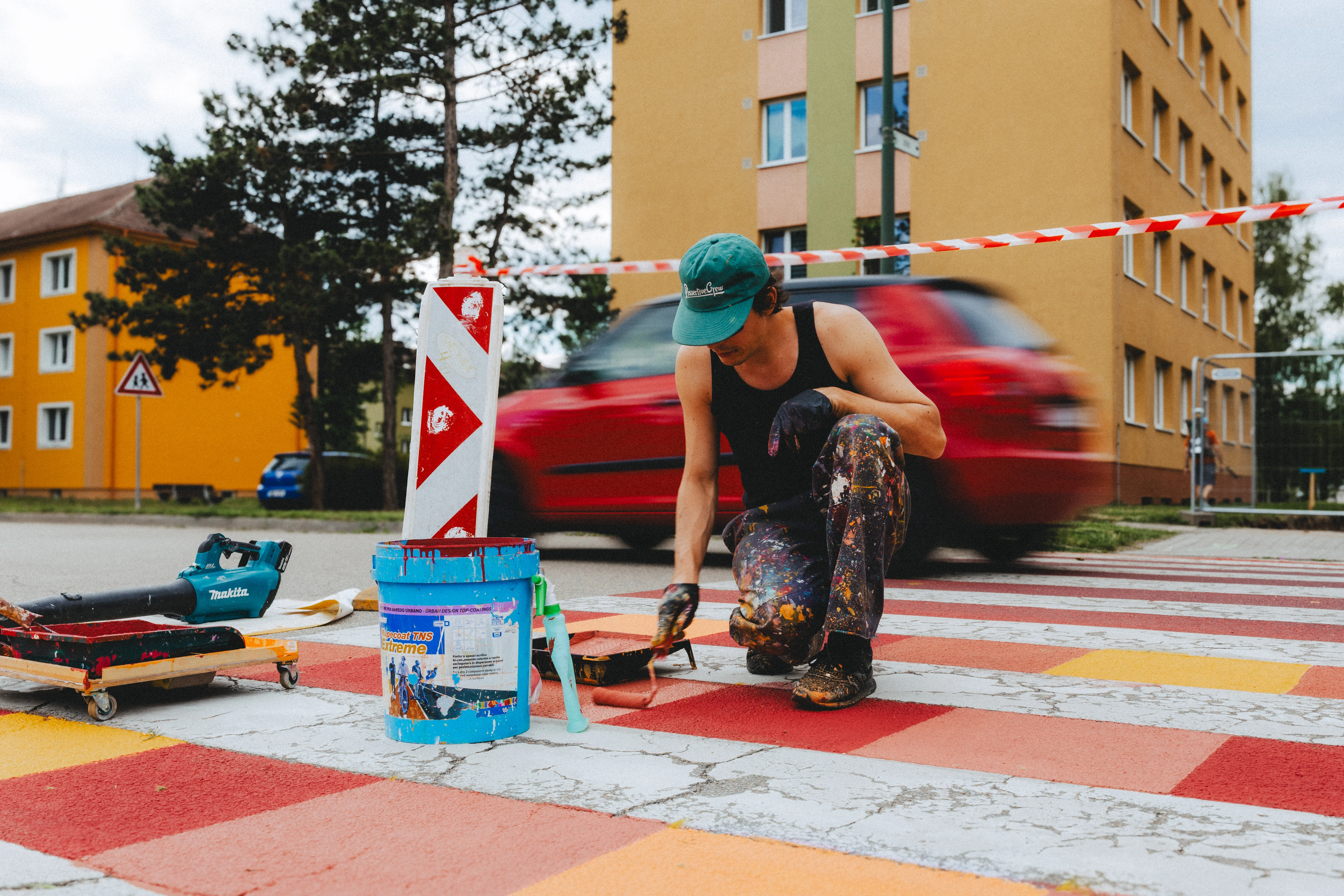
„What impressed me about the underpass was the side ramp for cyclists, the roof structure, and the distinctive bend along part of the route. I decided to build my graphics on the existing architecture. I adjusted the selected colours as needed and alternated them across the walls. I aimed to highlight the uniqueness of the structure in a smooth, understated way and to create a pleasant atmosphere. For the asphalt art design, placed on the bend near the play and relaxation elements, it was essential to separate the pedestrian zone from the cycle path. The painting is therefore made up of two parts. The more colourful one features patterns that are partly inspired by folk motifs.“
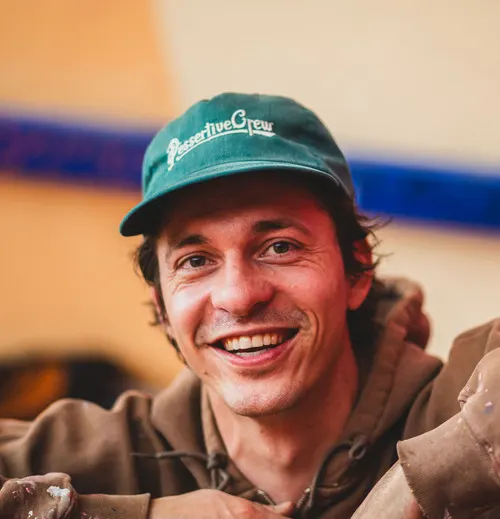
Visual artist and designer
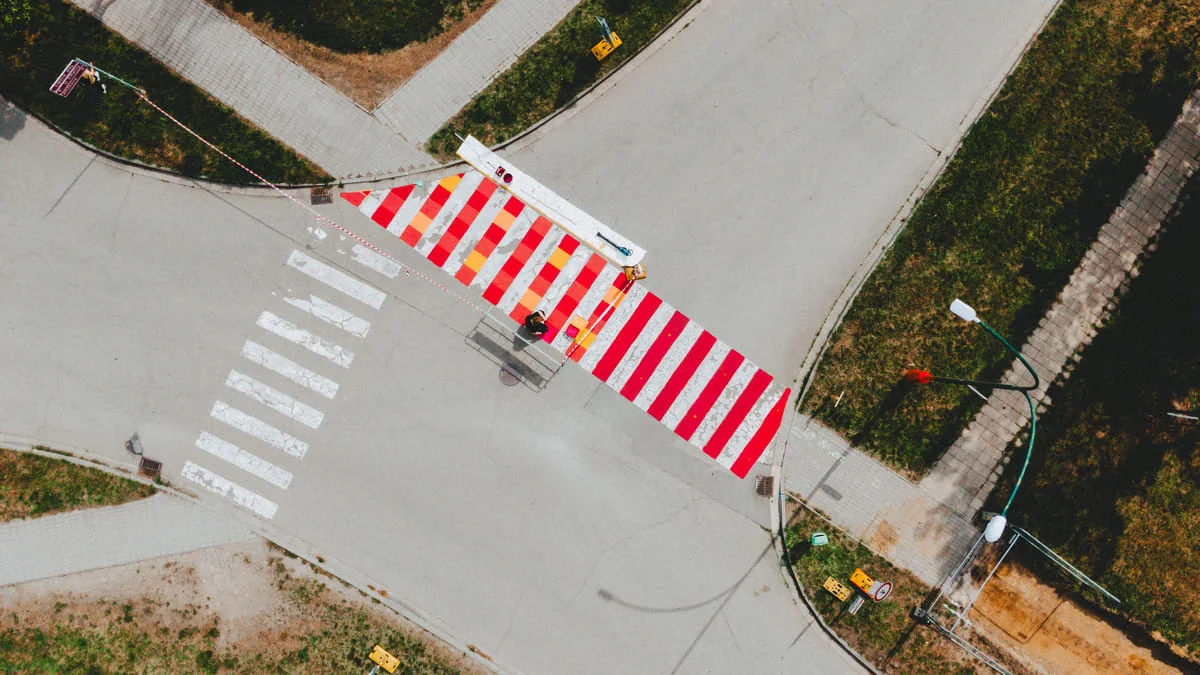
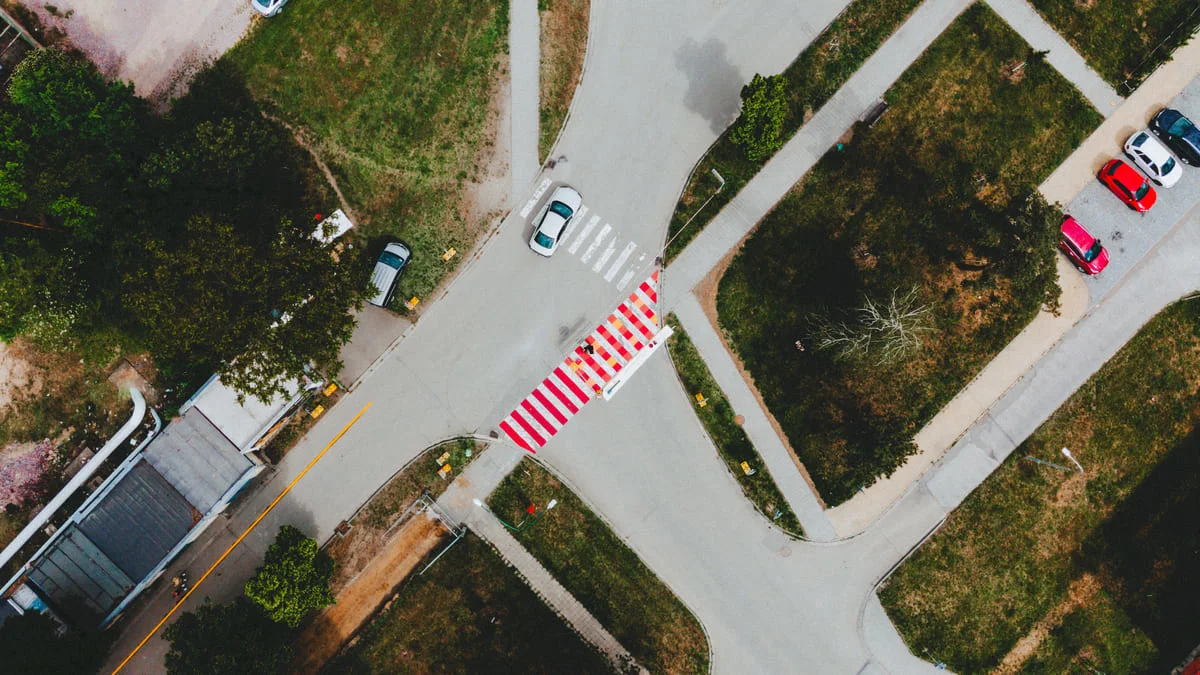
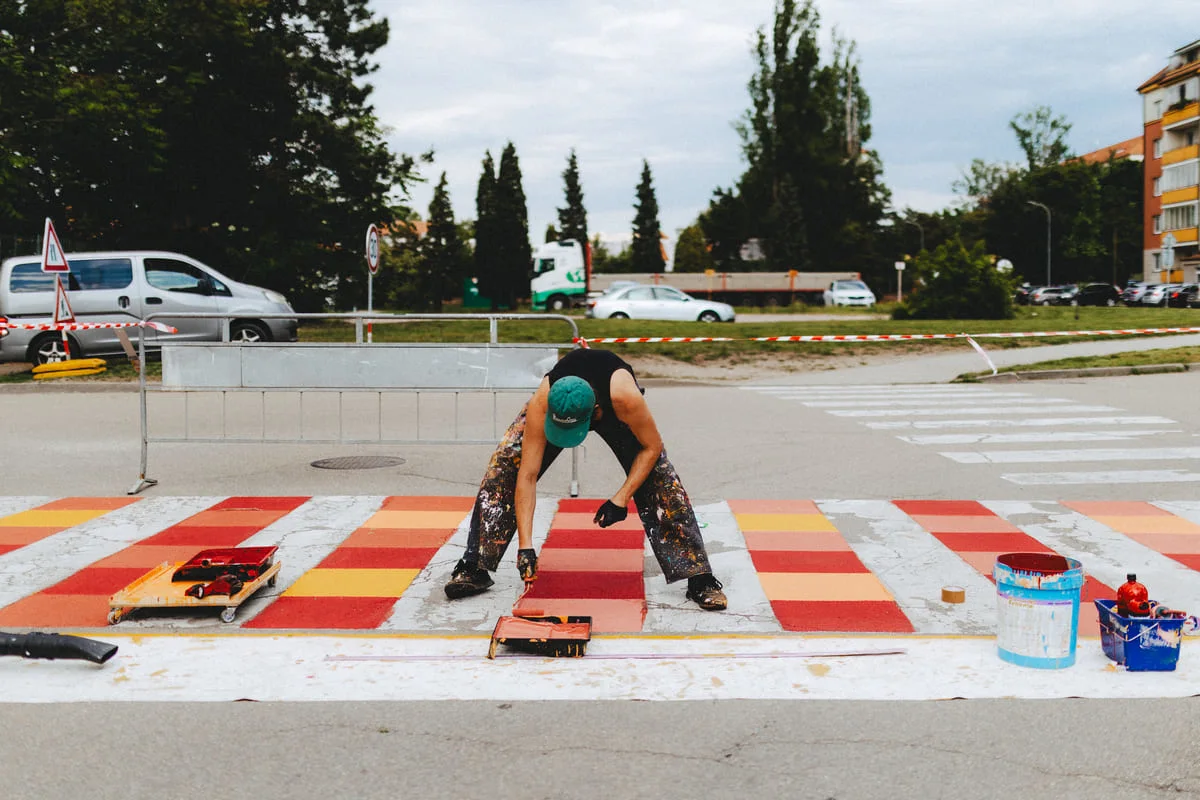
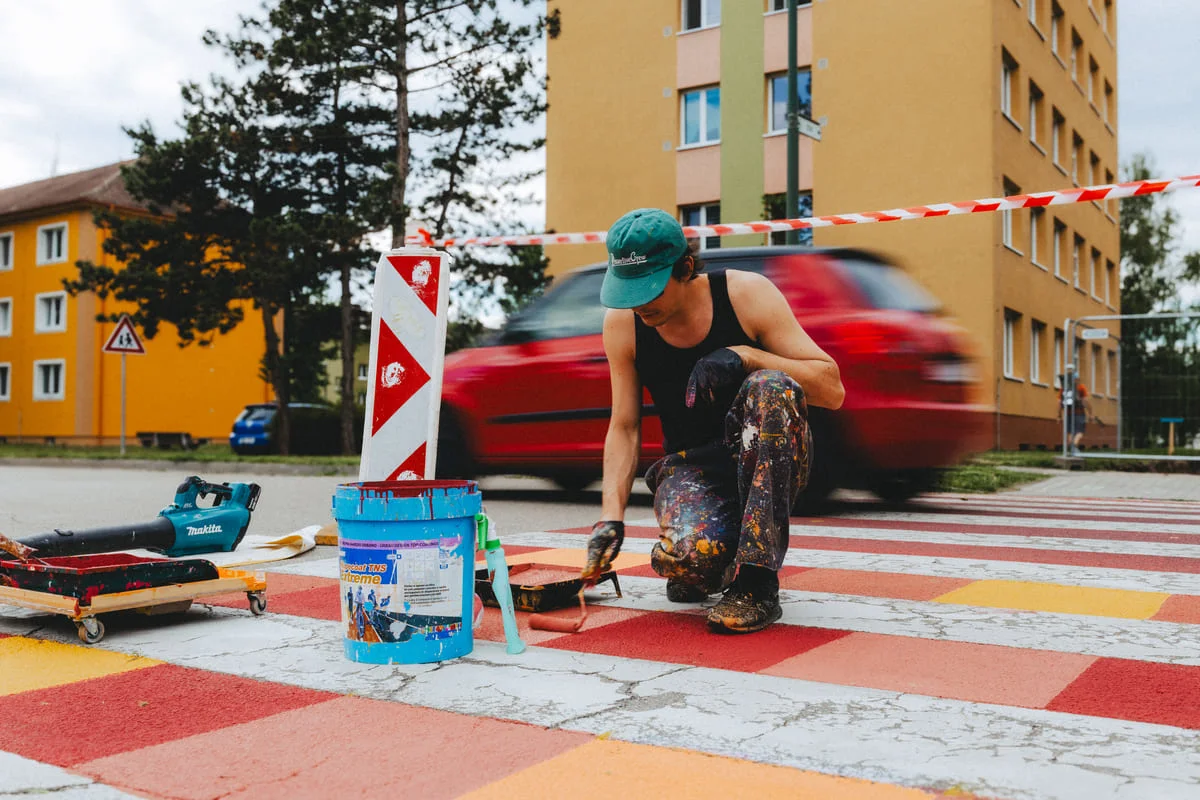
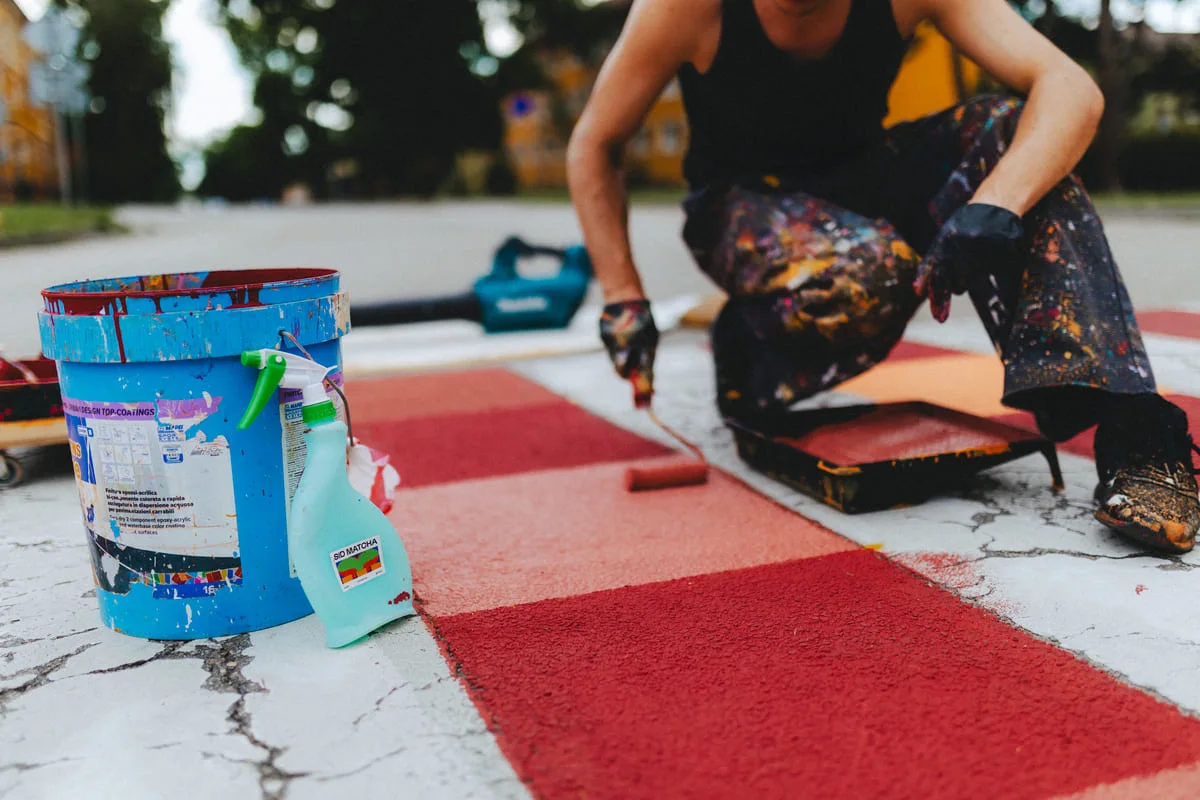
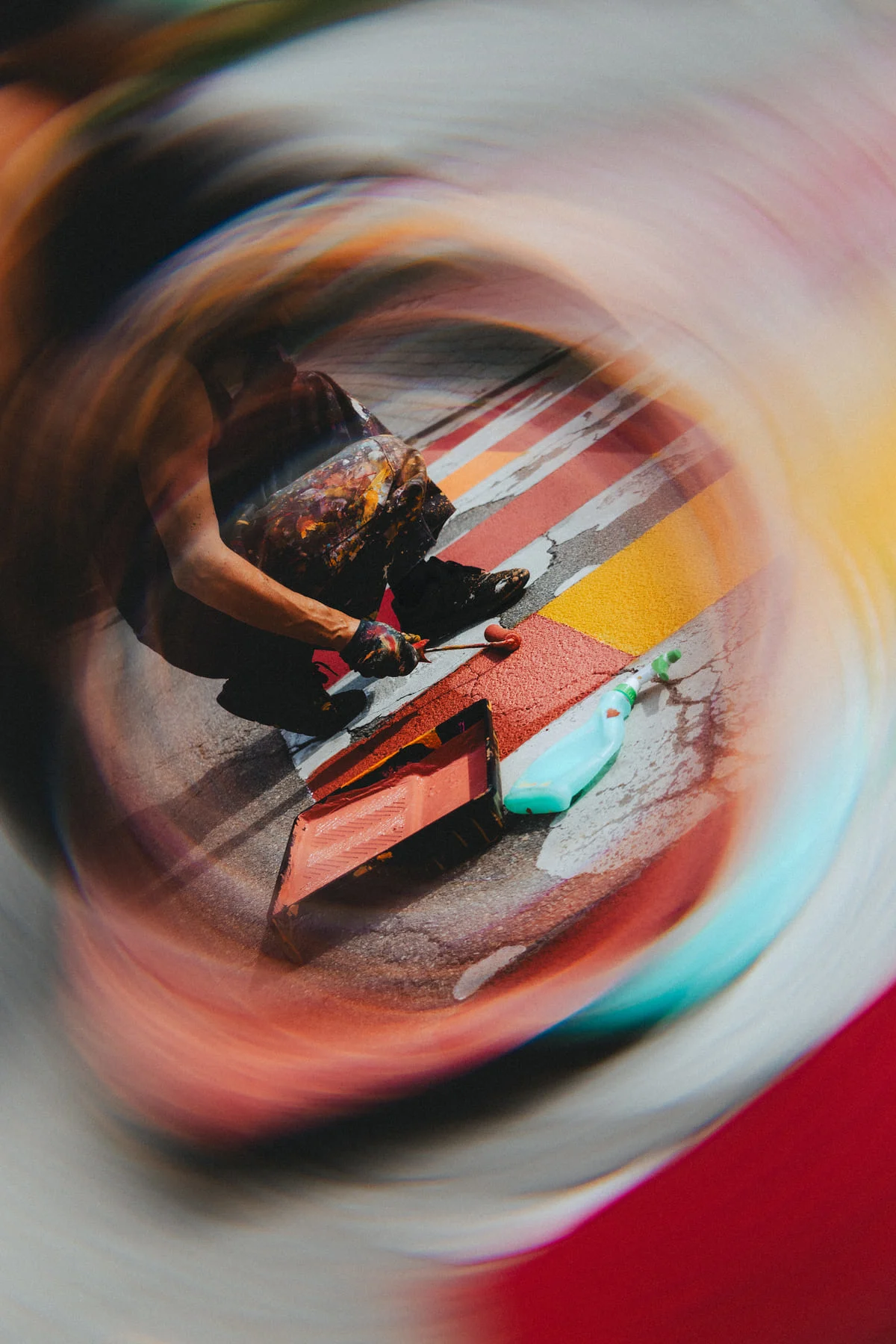
Pěšky k lesu shows how important it is for public space to reflect the human scale of the transformation of the wider area, through thorough preparation, data‑based analysis, and participation with local residents.
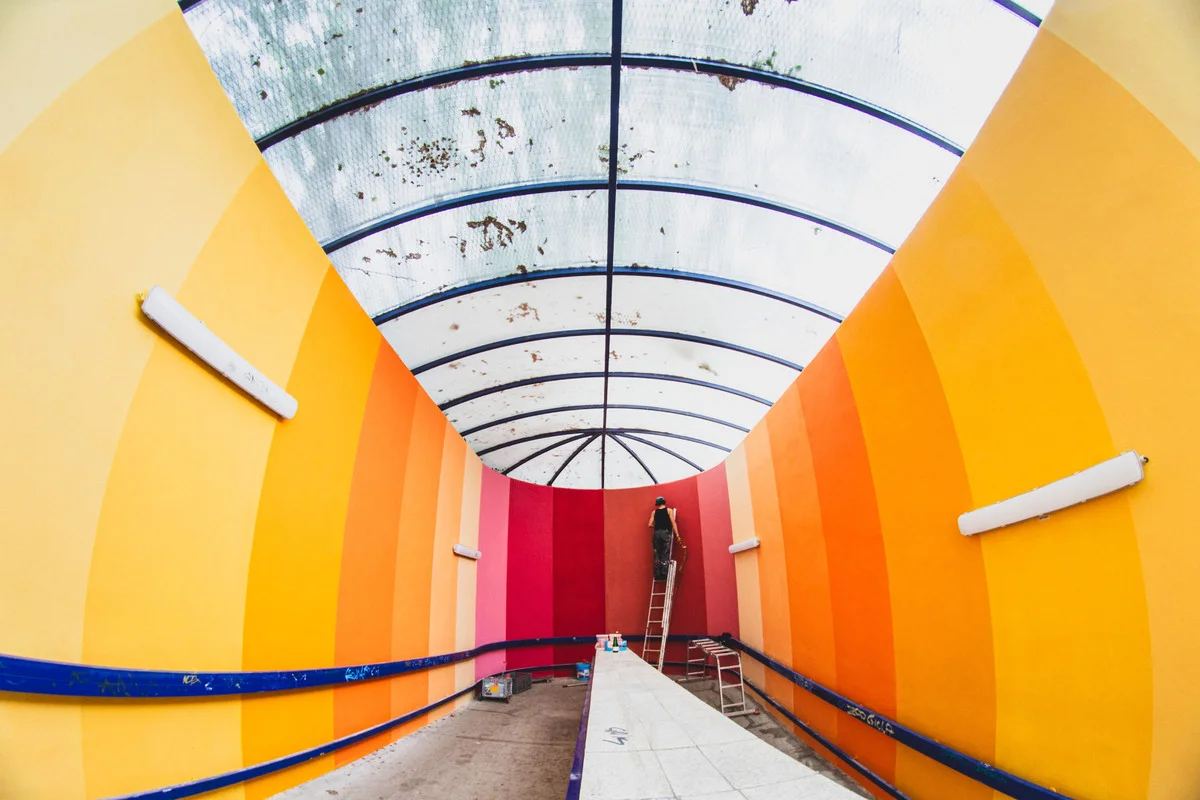
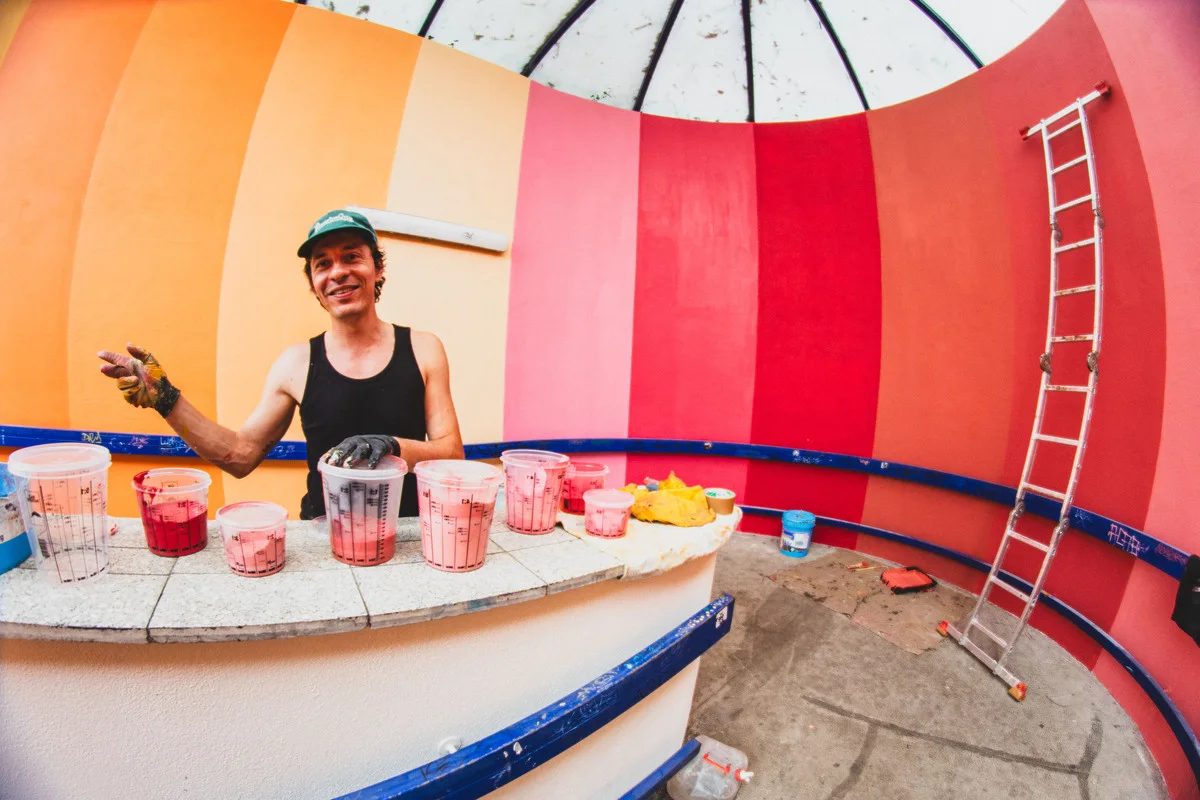
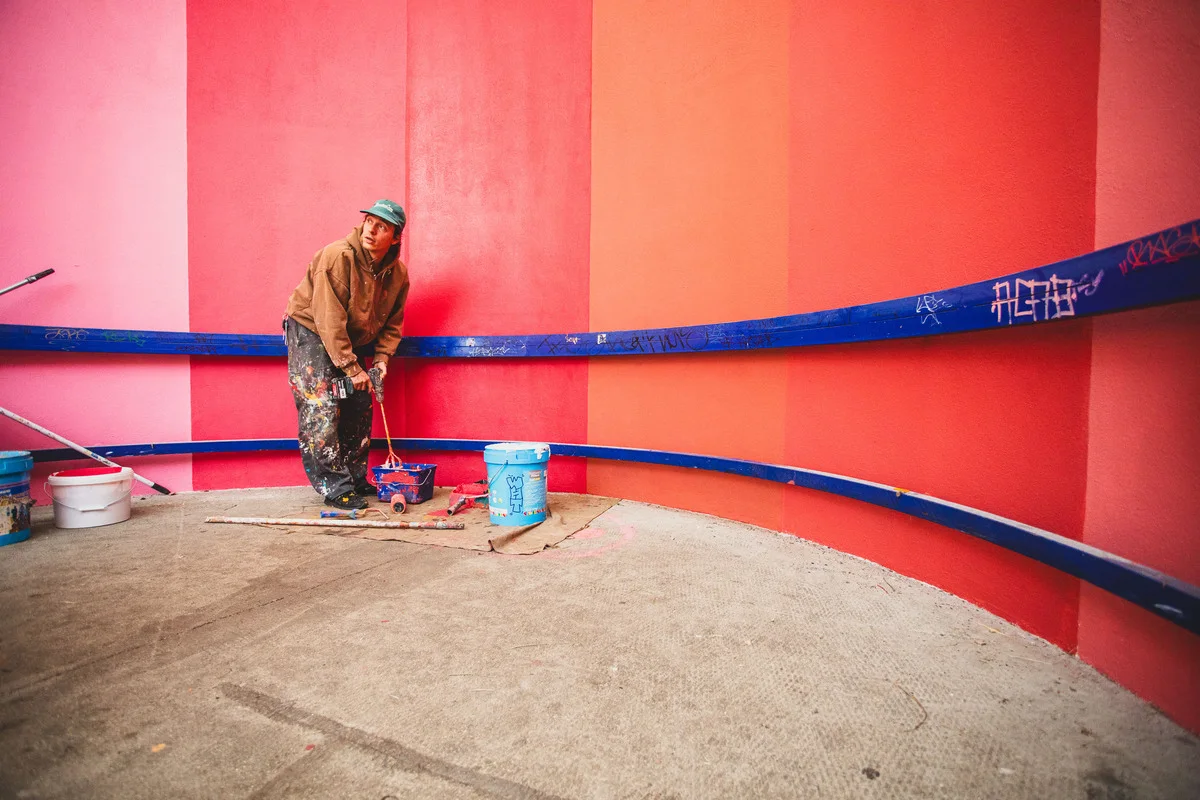
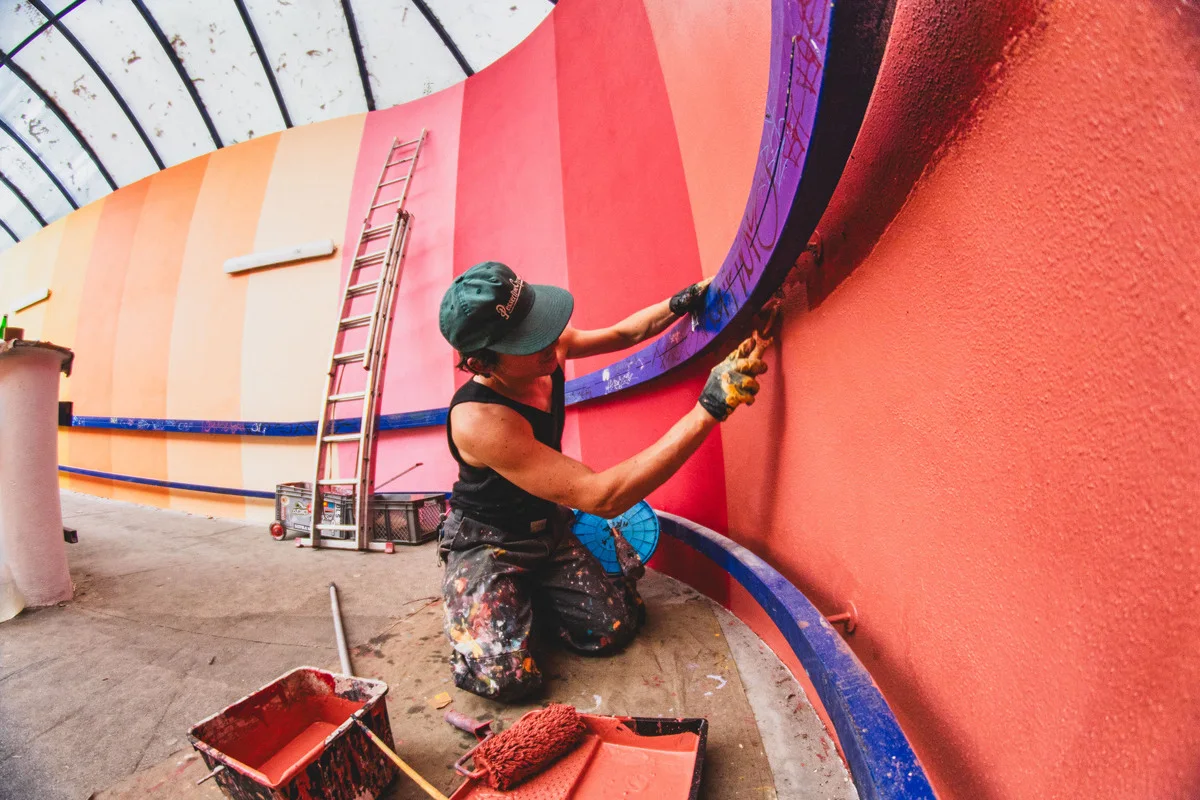
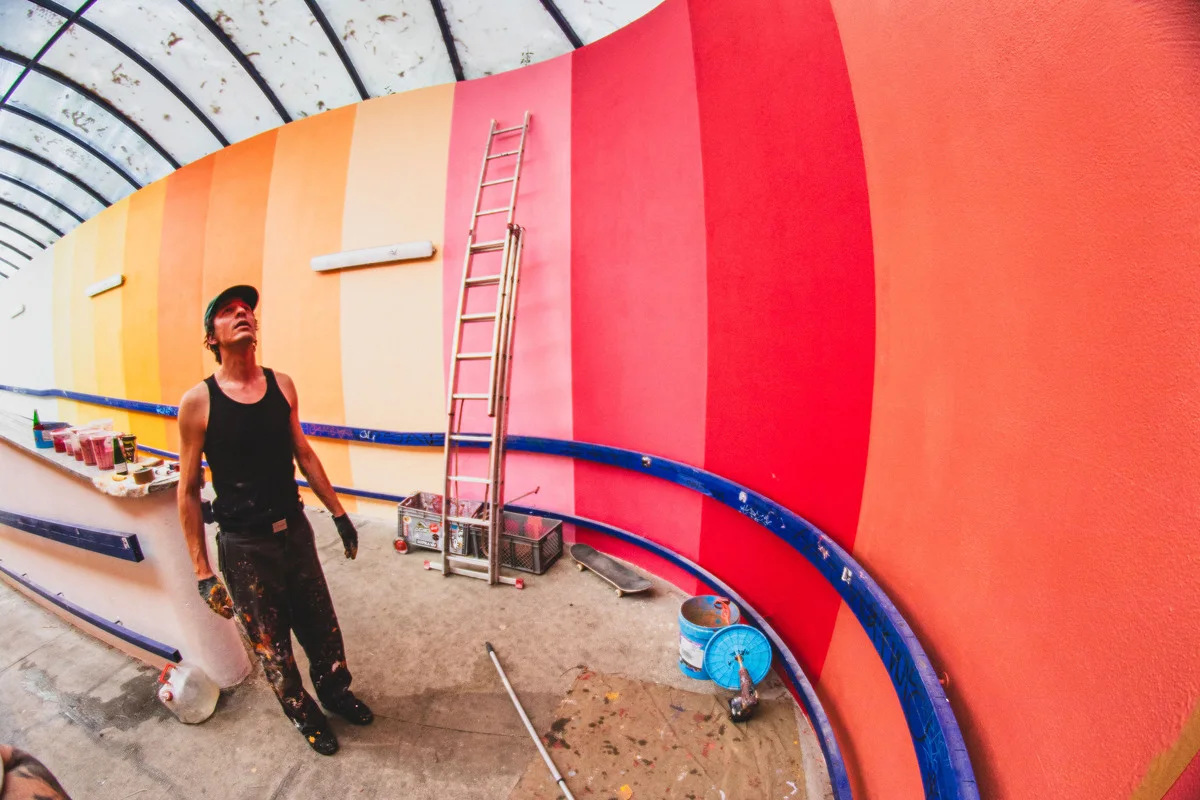
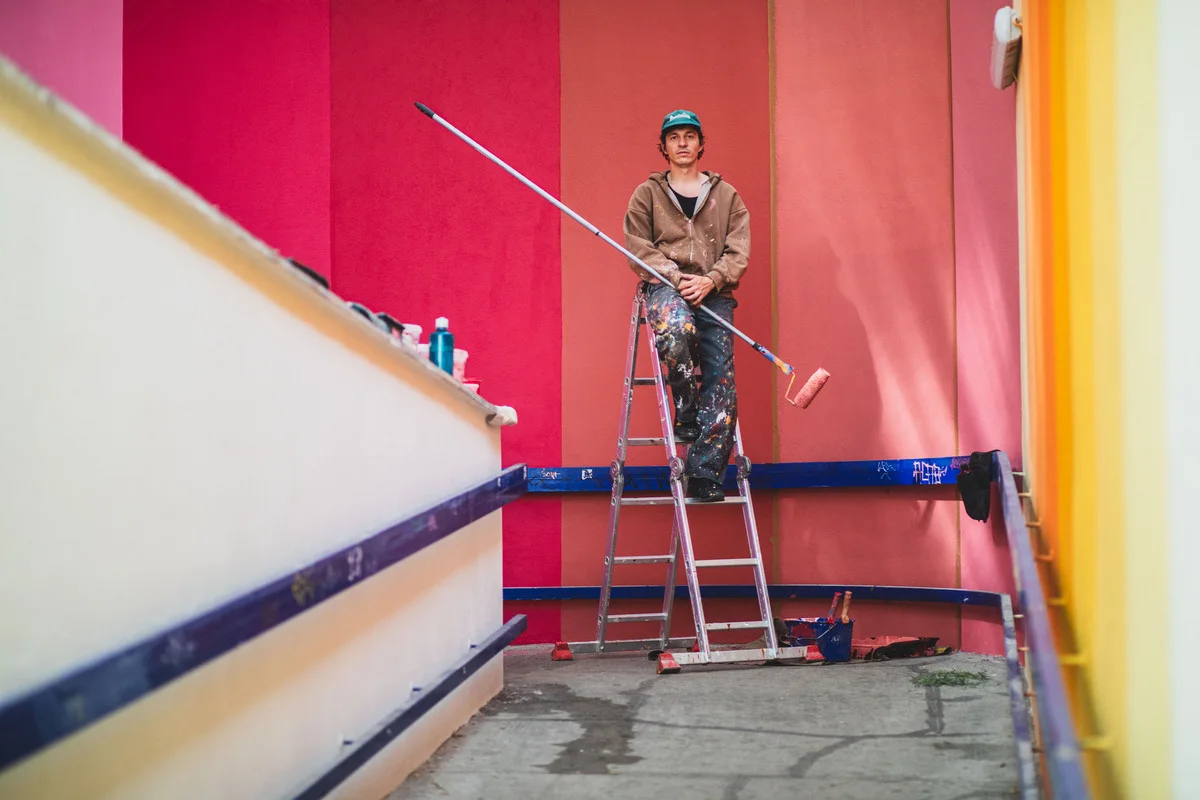
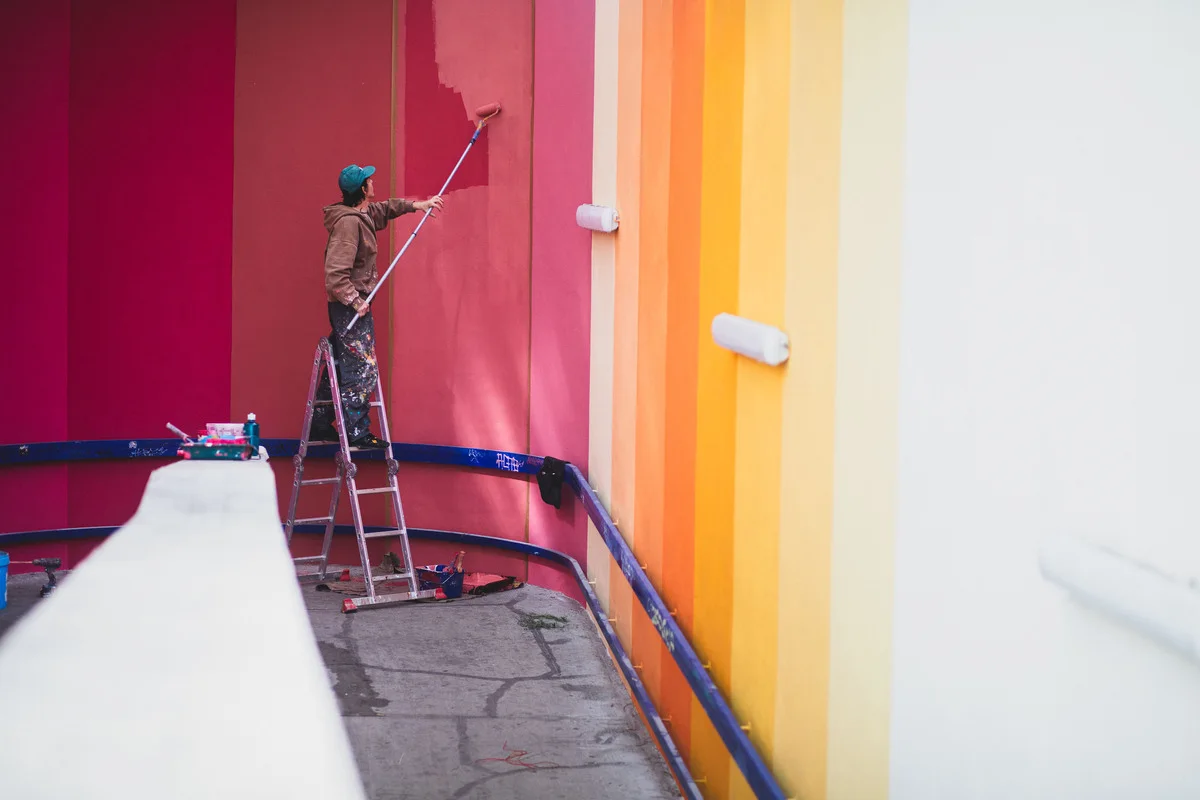
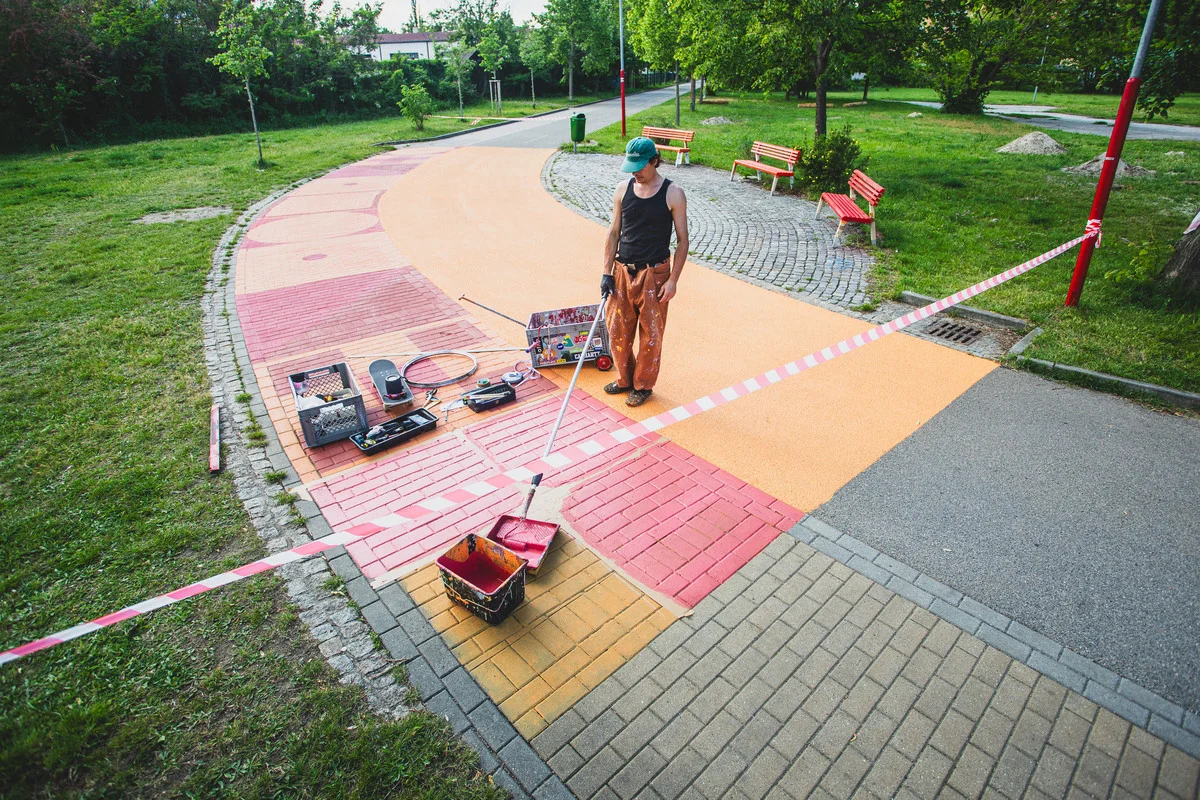
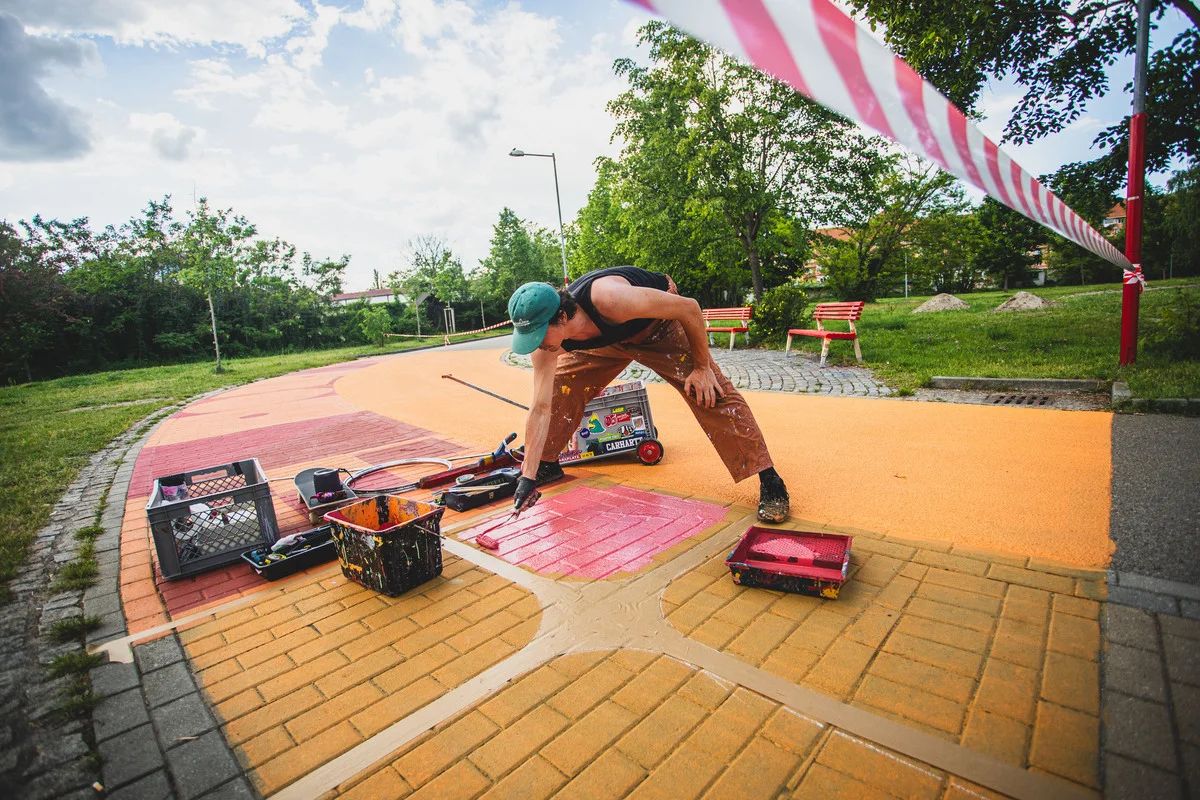
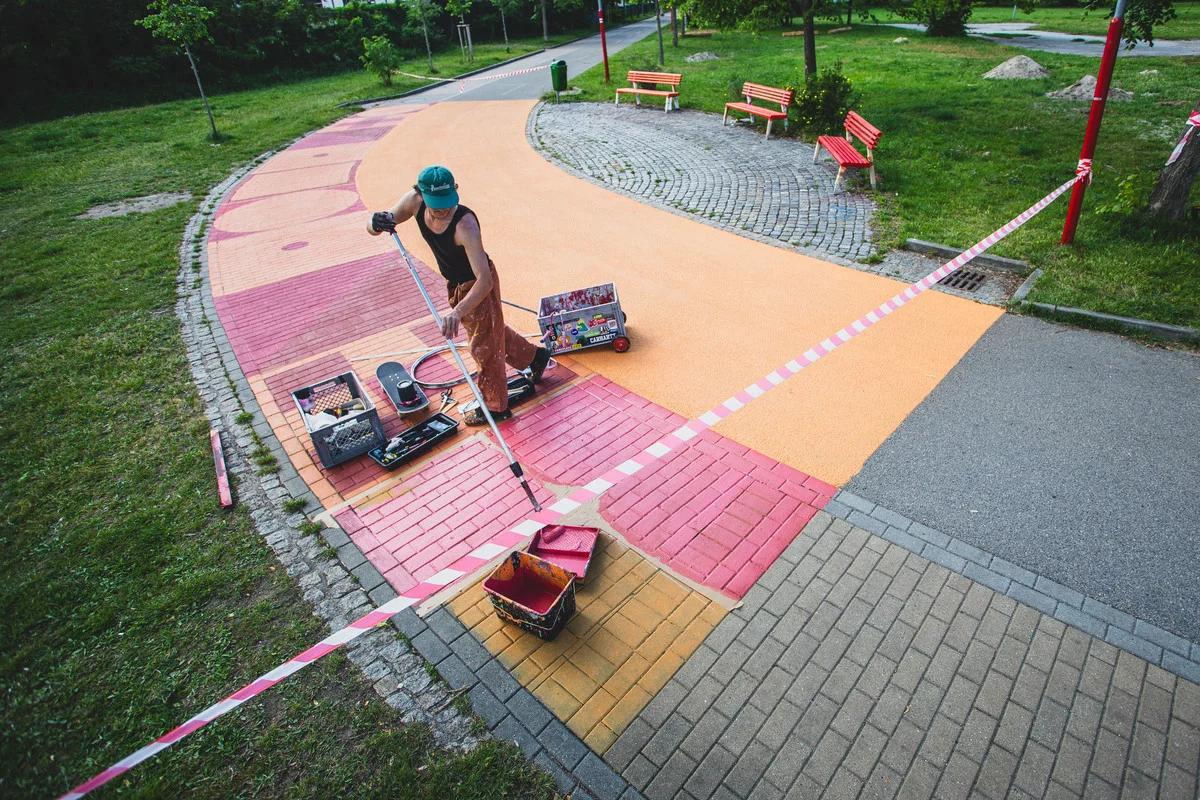
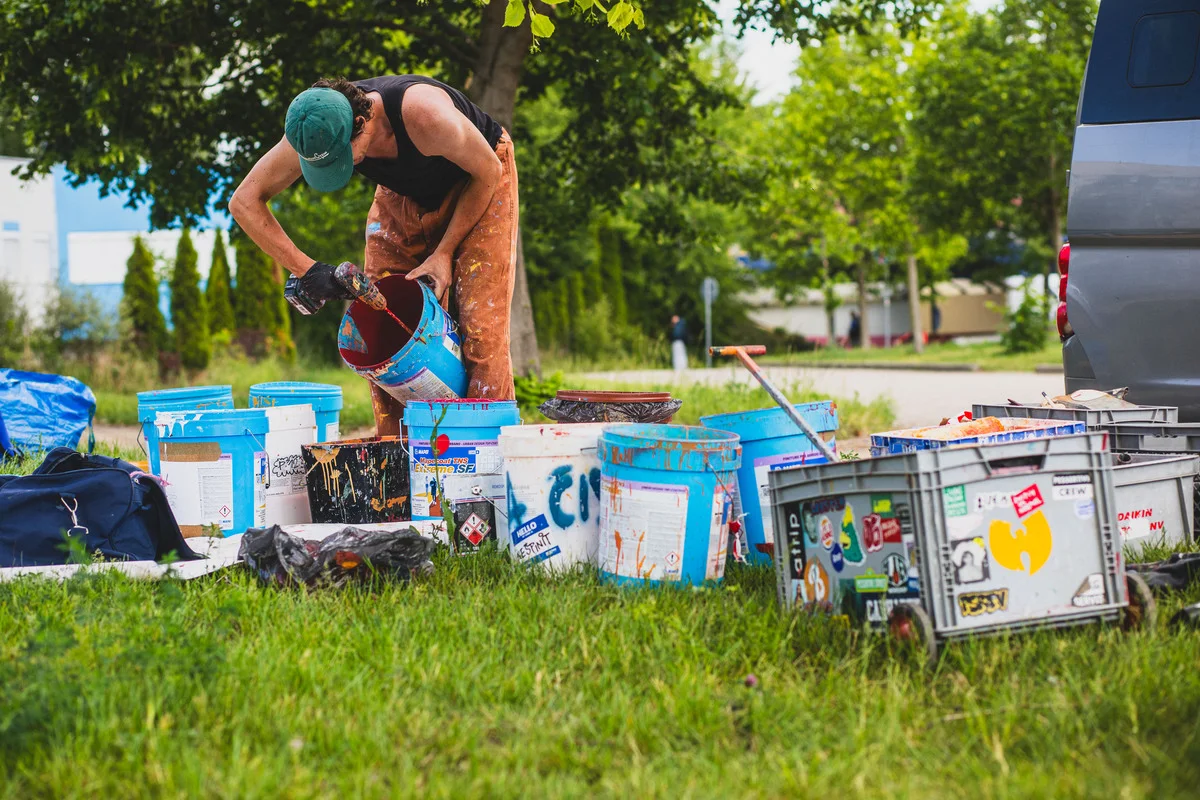
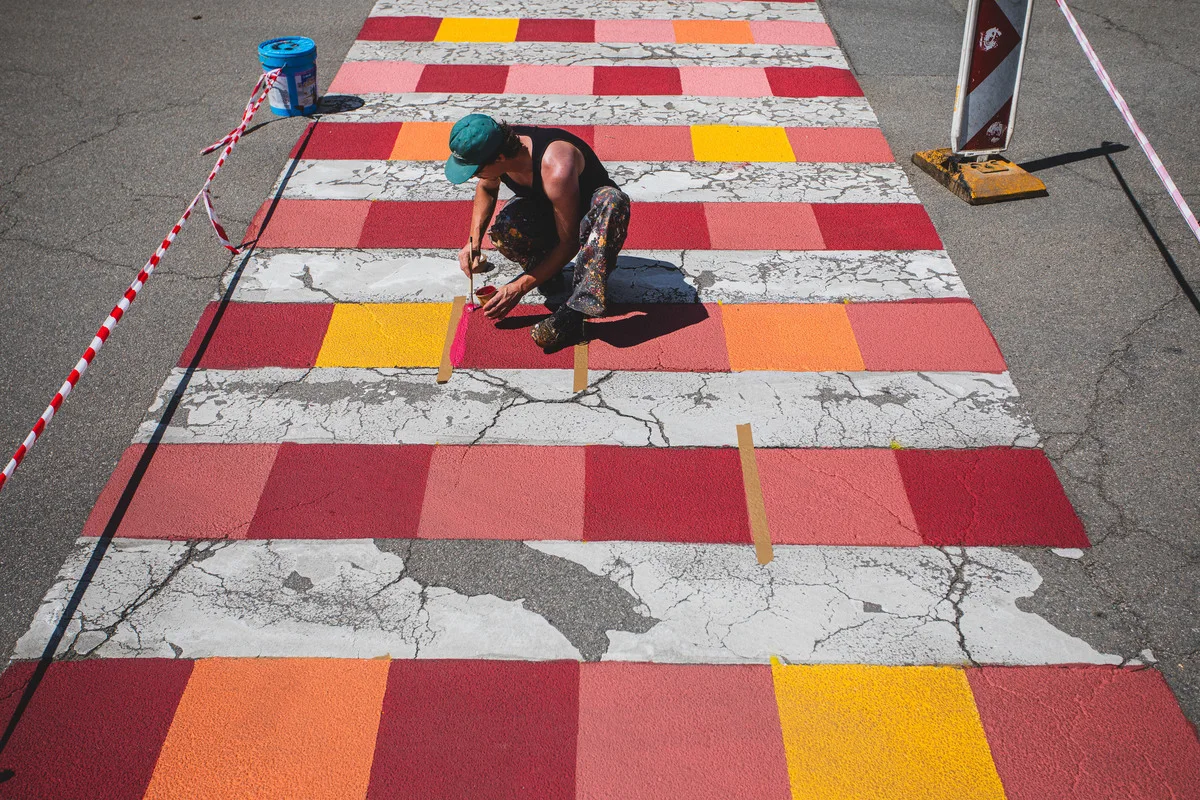
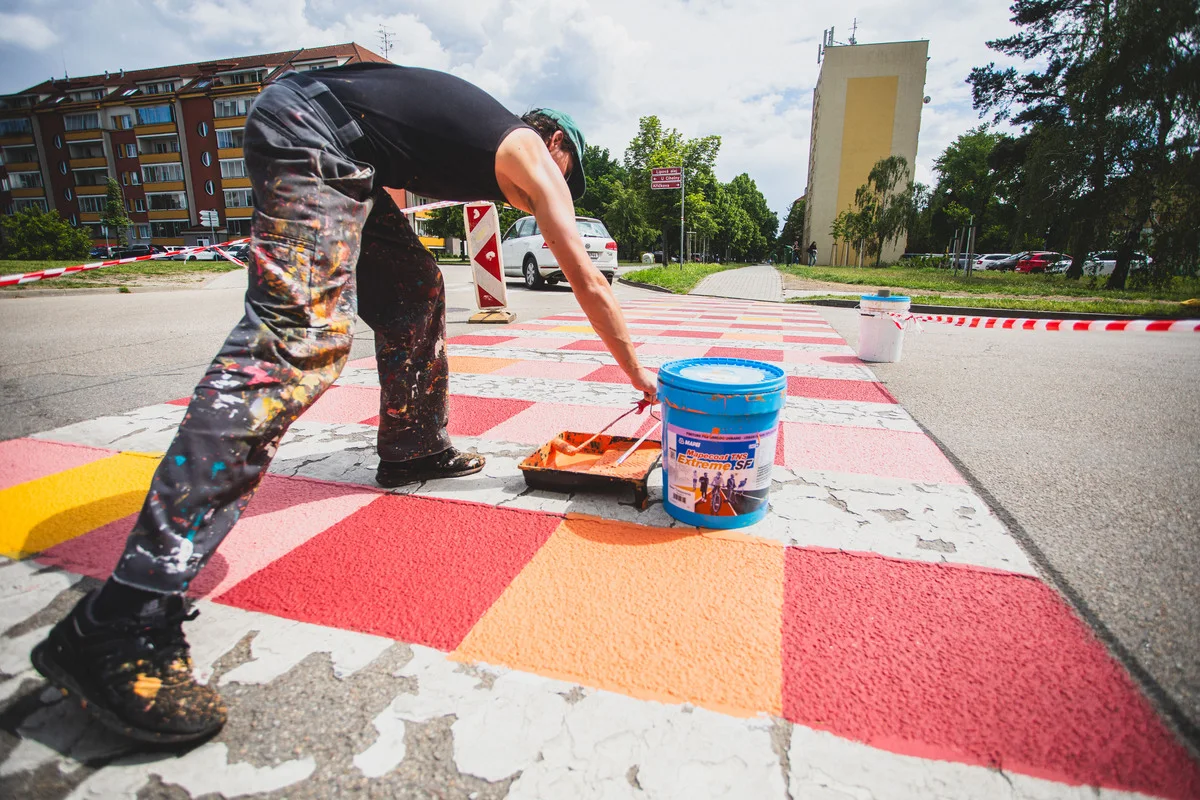
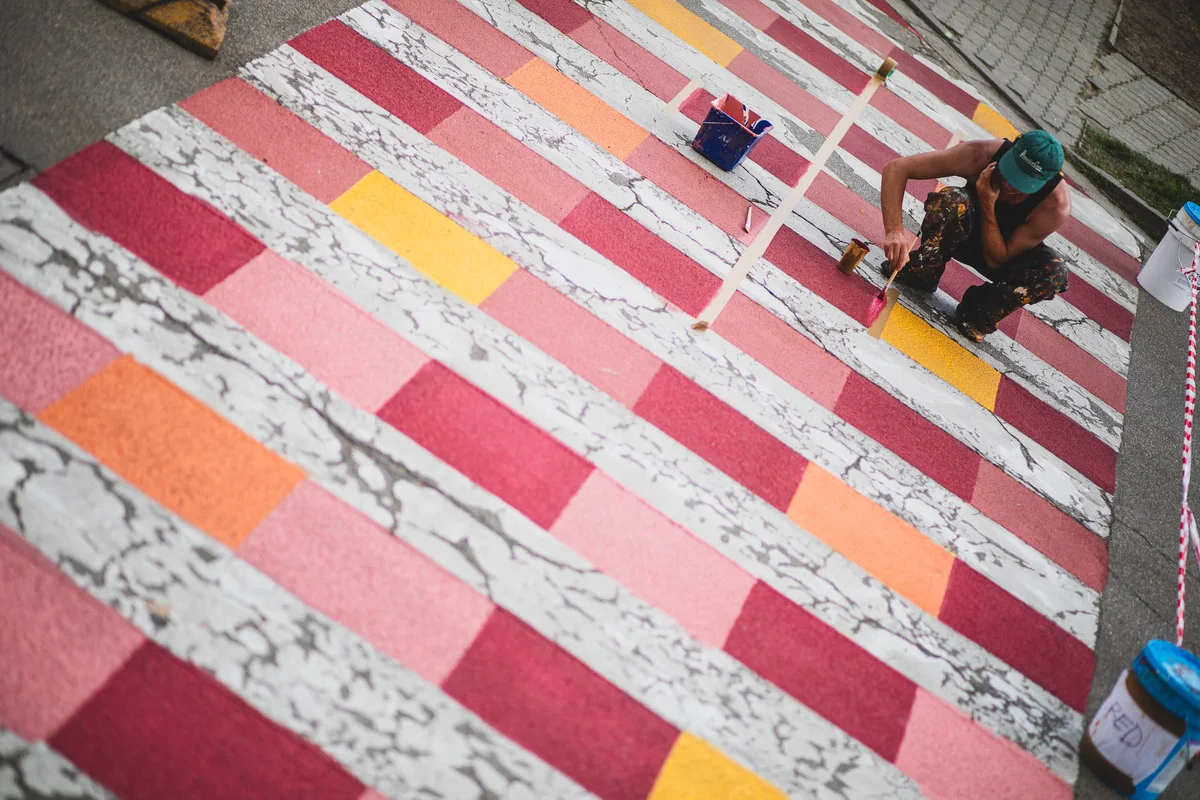
Photo in the quote block and in the second photo gallery: Radek Mauer (@dantedva)
Media Coverage of the Project
The project has also attracted media attention. Czech Television dedicated a report to it, and Asfalt Art also mentioned the project.
Video: Czech Television


Newsletter