Research Shows Dvořák’s Legacy Remains Exceptionally Strong in the Czech Republic
Published: 16. april 2026
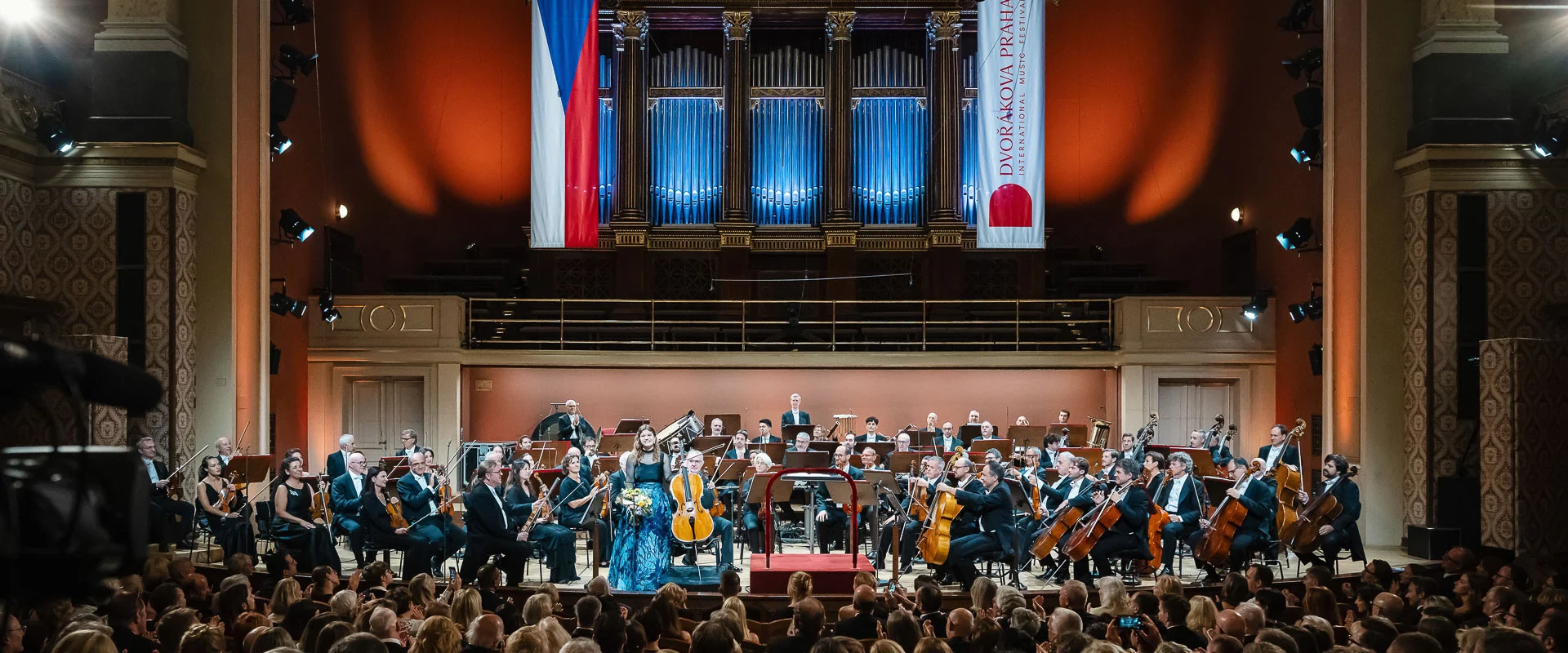
Around one tenth of the population listens to classical music every day. This is one of the findings of a survey conducted by the Dvořák Prague festival. The results confirm the value of long term support for classical music and its further development, which is one of the key areas of the Foundation’s work as the main patron of the festival.
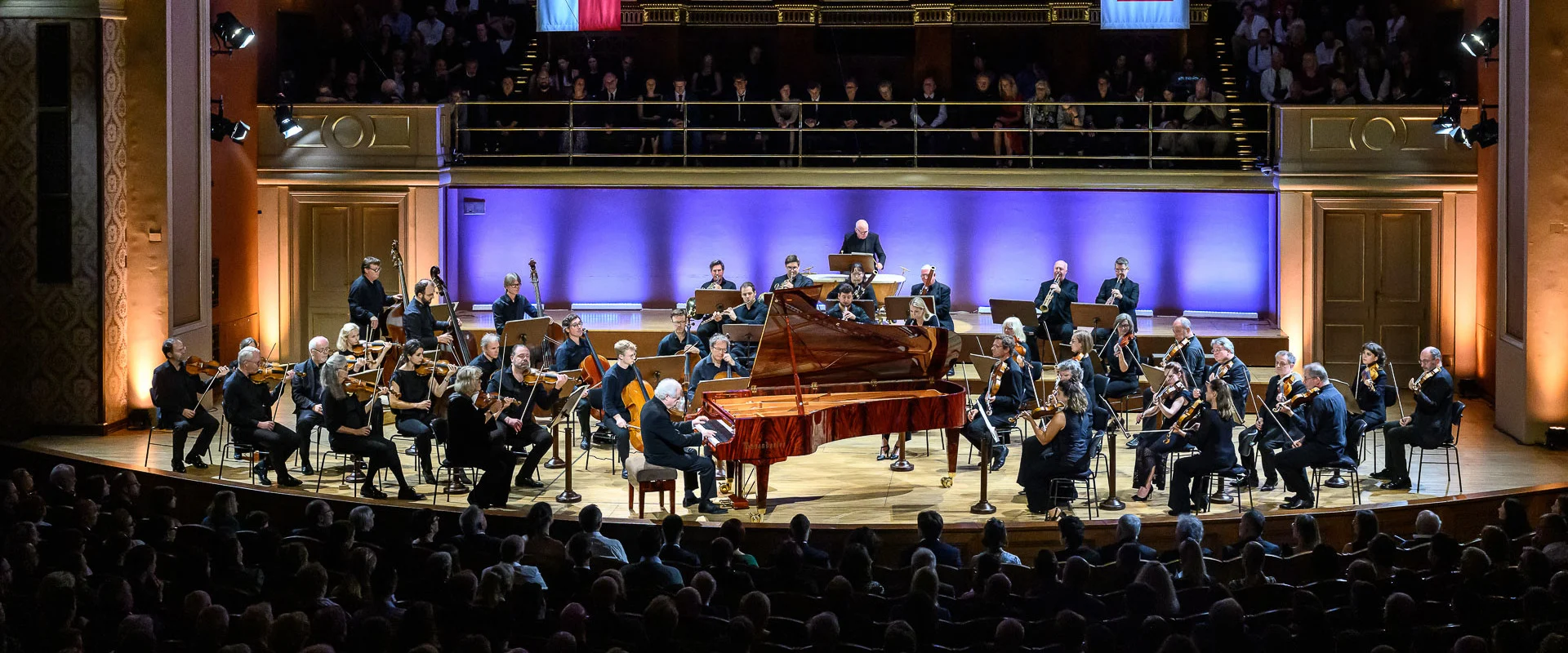
Czech society continues to maintain a strong relationship with classical music, at least on a symbolic level. Data from a recent survey conducted for the Dvořák Prague festival by Ipsos confirm that the name Antonín Dvořák remains one of the most enduring cultural constants, recognised by almost the entire population. In collective memory, the opera Rusalka holds a particularly dominant position. For most respondents, it is the main entry point into the composer’s work, while his symphonic output, including the New World Symphony, resonates with a smaller share of the audience.
Regular listening to classical music is reported by roughly one in ten people in the Czech Republic, while most encounter it only occasionally. Even so, classical music enjoys high cultural prestige. More than four fifths of respondents consider it an important part of national identity, and most also support music education. Listening habits and concert attendance, however, are limited by a mix of practical and psychological barriers. Alongside ticket prices and the accessibility of concert venues, a perceived lack of approachability and uncertainty about fully understanding a concert also play a role. According to Robert Kolář, Director of the Academy of Classical Music, which organises the Dvořák Prague festival, audiences respond well to more open formats and more flexible programming.
One of the most notable findings is the generational profile of the audience. Today, classical music is more often listened to by two groups, young people aged 18 to 26 and listeners over fifty. By contrast, the middle generation is less active, which may relate to daily routines and shifts in cultural consumption. While younger audiences are discovering classical music anew, often through digital platforms, older listeners continue from earlier experience. People in midlife, on the other hand, face time and financial constraints that reduce their cultural participation. Accessibility remains a key factor, not only in terms of cost, but also geography.
„It is not a lack of interest, but rather a question of approach. In larger cities, contact with classical music is more frequent, while in the regions people encounter a limited offer.“
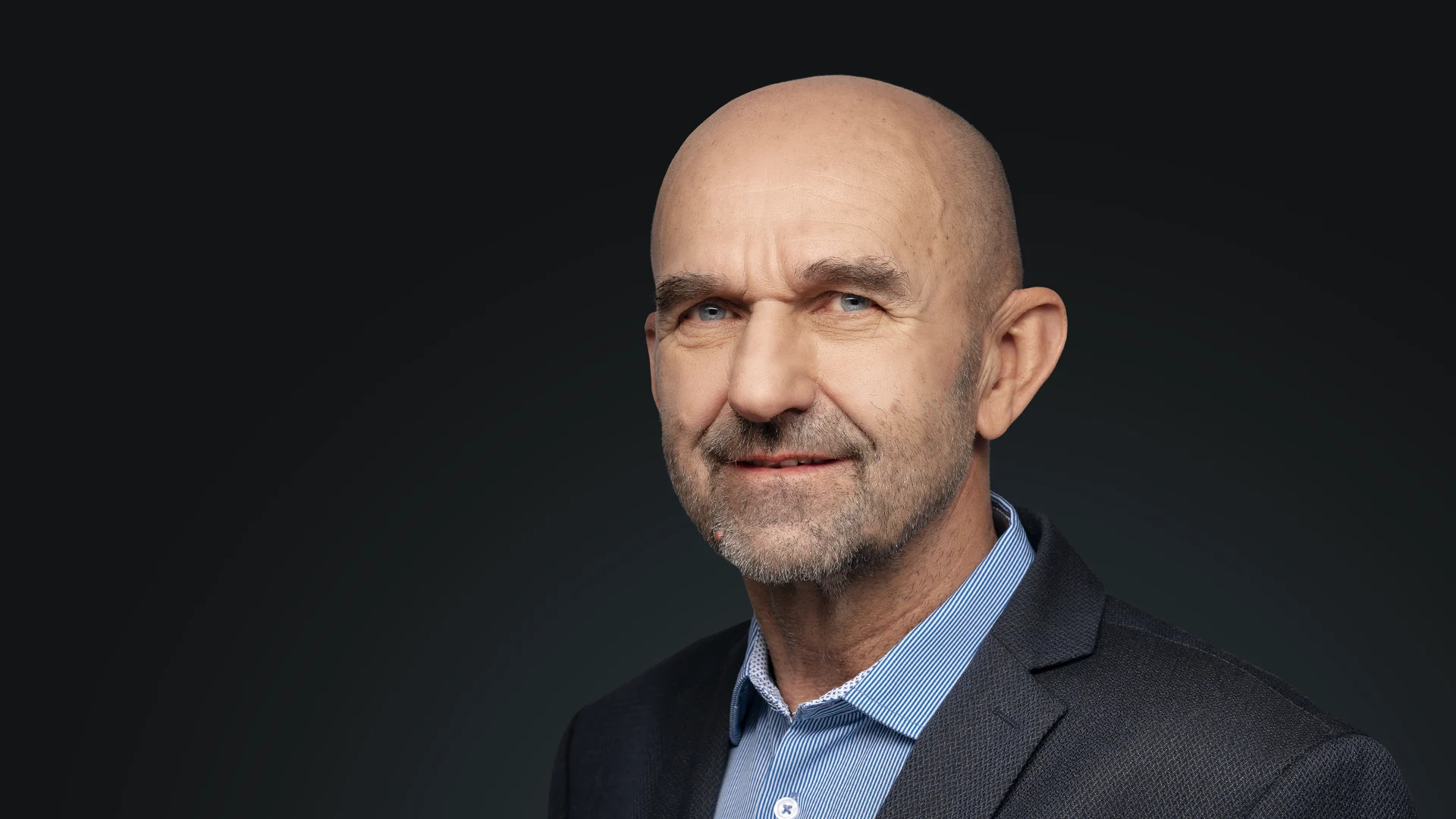
Director of the Academy of Classical Music and a member of the KKFF Board of Trustees
Source: KlasikaPlus.cz


Newsletter