Negotiated Resilience: A New Lecture Series on How a Resilient City Is Created
Published: 6. october 2026
The Karel Komárek Family Foundation has prepared the Negotiated Resilience lecture series in cooperation with the Faculty of Architecture at Brno University of Technology and the Faculty of Horticulture at Mendel University in Brno. Four meetings will describe the latest and practice‑tested approaches to building resilient cities. Specific examples from Brno and Hodonín, developed with the involvement of the Danish studio Gehl Architects, will show the links between project briefs, data collection and evaluation, participation, implementation, and impact assessment.
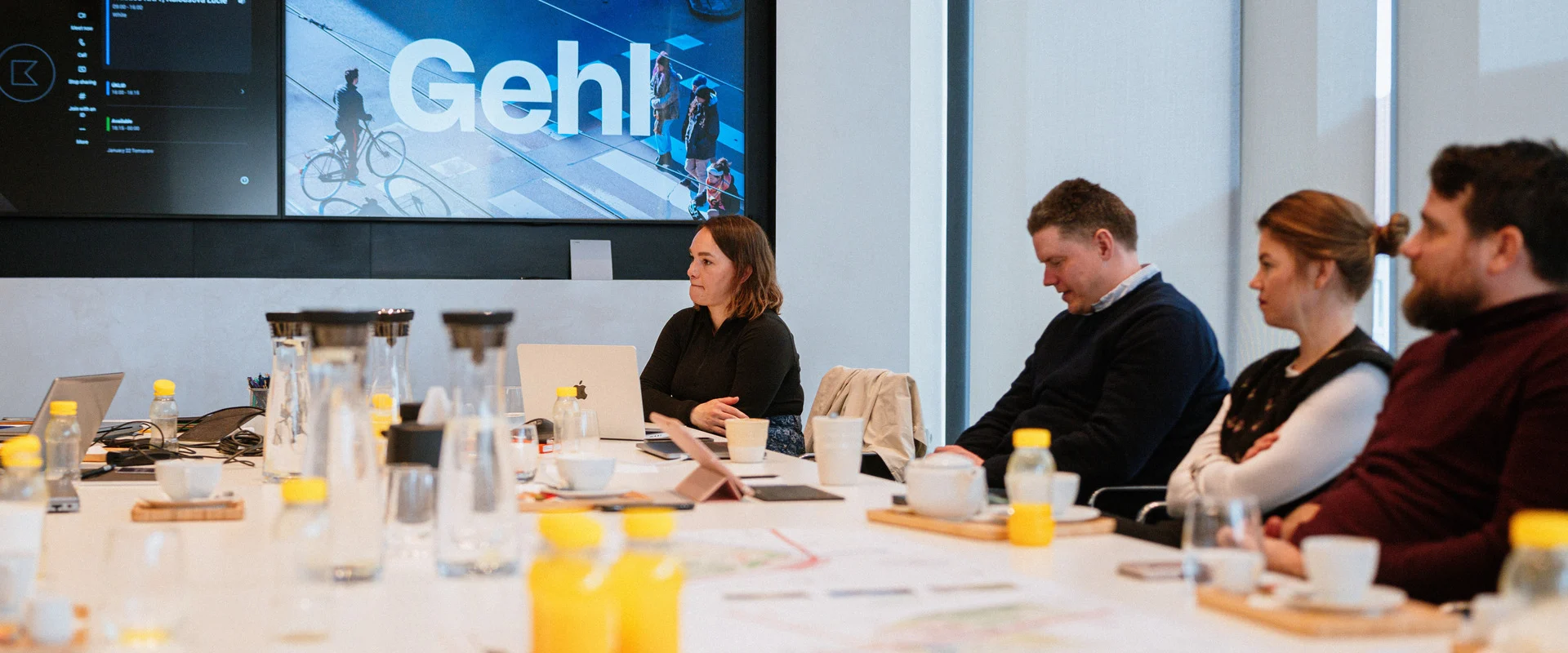
Cities are increasingly looking for sophisticated ways to respond to the circumstances caused by rapid social and ecological change. When designing public spaces, urban planners no longer rely only on knowledge of local conditions. They seek to understand as well as possible who uses a place, how they use it, and why. Carefully designed analyses based on data and advanced participation methods are therefore coming to the fore.
The process begins with formulating the brief and continues through data collection and interpretation, public and stakeholder engagement, strategic decision‑making and design, before moving into implementation and impact evaluation. This process will be presented in four two‑hour blocks as part of the lecture series Negotiated Resilience.
Each phase of the process will be explained by the international urban design studio Gehl Architects, experts from Participation Factory, city architects from the Office of the City Architect of Brno, representatives of the City of Hodonín, and the authors of a specific implementation from U/U Studio.
A Resilient City: From a Quality Brief to Data
The first lecture will introduce participants to the results of the analytical work carried out by Gehl Architects, which is developing the Green Line Brno vision. Its purpose is to create a green and climate‑resilient connection between Moravské náměstí and Lužánky Park that could also serve pedestrians.
Participants will learn why the studio undertook the analysis and what it was based on. They will also gain an overview of people’s movement in the area, noise levels, air quality, greenery, safety, availability of seating, and other key indicators. The Danish architects will place the results of the analysis in the broader context of the Tyršův sad area and open a discussion on the quality of briefs for urban transformations.
Participation as a Tool for Long‑term Resilience
Participation is not only a formal step without real impact, but a key condition of high‑quality urban planning. In the second lecture, Participation Factory will present it in connection with the Green Line Brno idea as a carefully designed process and, at the same time, as an essential tool for building trust, refining the brief, and involving different groups of people at the right time and in the right way.
Participation is currently an overused term that companies often use to strengthen their self‑presentation. During the lecture, participants will learn how to distinguish high‑quality and well‑designed public engagement with clear goals from marketing.
Between Data and Implementation Stands the City’s Decision‑making
The third lecture will feature representatives of the Office of the City Architect of Brno. They will focus on how to properly evaluate the results of participation, translate them into the language of public municipal administration, and align them with strategic documents, technical requirements, property relations, transport solutions, and funding options.
The example of the Green Line Brno idea will also show how to effectively align stakeholders who may share a similar goal, but enter the process with different responsibilities, capacities, financial possibilities, and interests. Representatives of the Office of the City Architect of Brno will also share their experience with the transformation of Kapitána Jaroše Avenue.
Steps to the Forest: Pedestrian Route from the Station to the House of Nature, from Residents’ Needs to Concrete Change
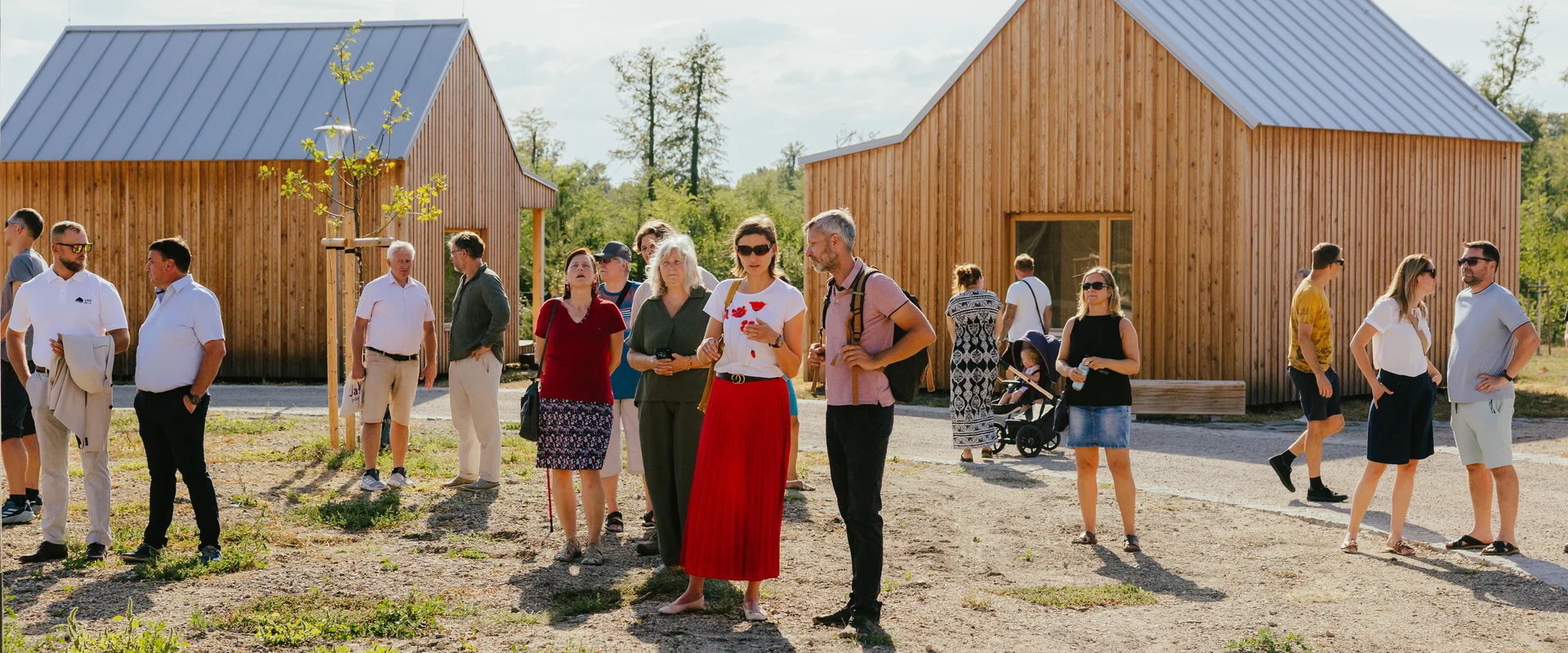
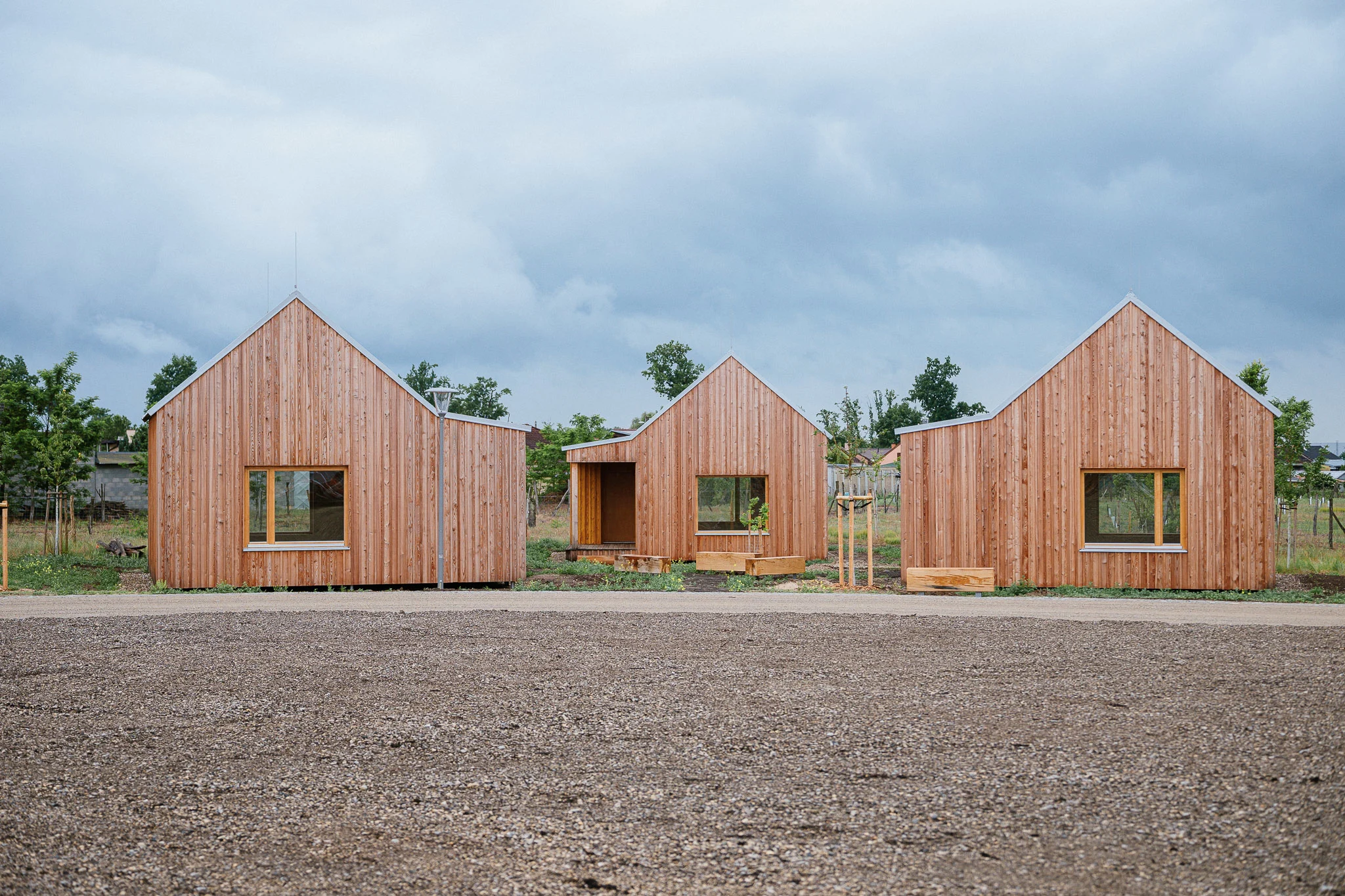
The final lecture will bring the theme of Negotiated Resilience to Hodonín, where the Steps to the Forest: Pedestrian Route from the Station to the House of Nature route was created through cooperation between the Karel Komárek Family Foundation, the City of Hodonín, Gehl Architects, and U/U Studio. Participants will see that even relatively simple interventions can significantly change the way people use a space.
After the pilot interventions were implemented, the number of pedestrians and cyclists in this part of Hodonín increased, and the number of people stopping and spending time there grew significantly. More children, adults, and seniors now use the entire route, people engage in a wider range of activities, and the space no longer serves only as a way to reach a destination. It is increasingly becoming a place for meeting.
In this part of the lecture series, U/U Studio will show how data, residents’ needs, and a strategic vision can be translated into a specific spatial and visual solution. Representatives of the City of Hodonín will explain how such a project fits into the long‑term renewal of Bažantnice and the wider area, which is gradually becoming a more accessible, clearer, and livelier part of the city.



Newsletter