The School Garden Is a Living Classroom: Joint Guidelines from Three Organisations Change the Systemic Approach to Kindergarten Gardens
Published: 20. october 2026
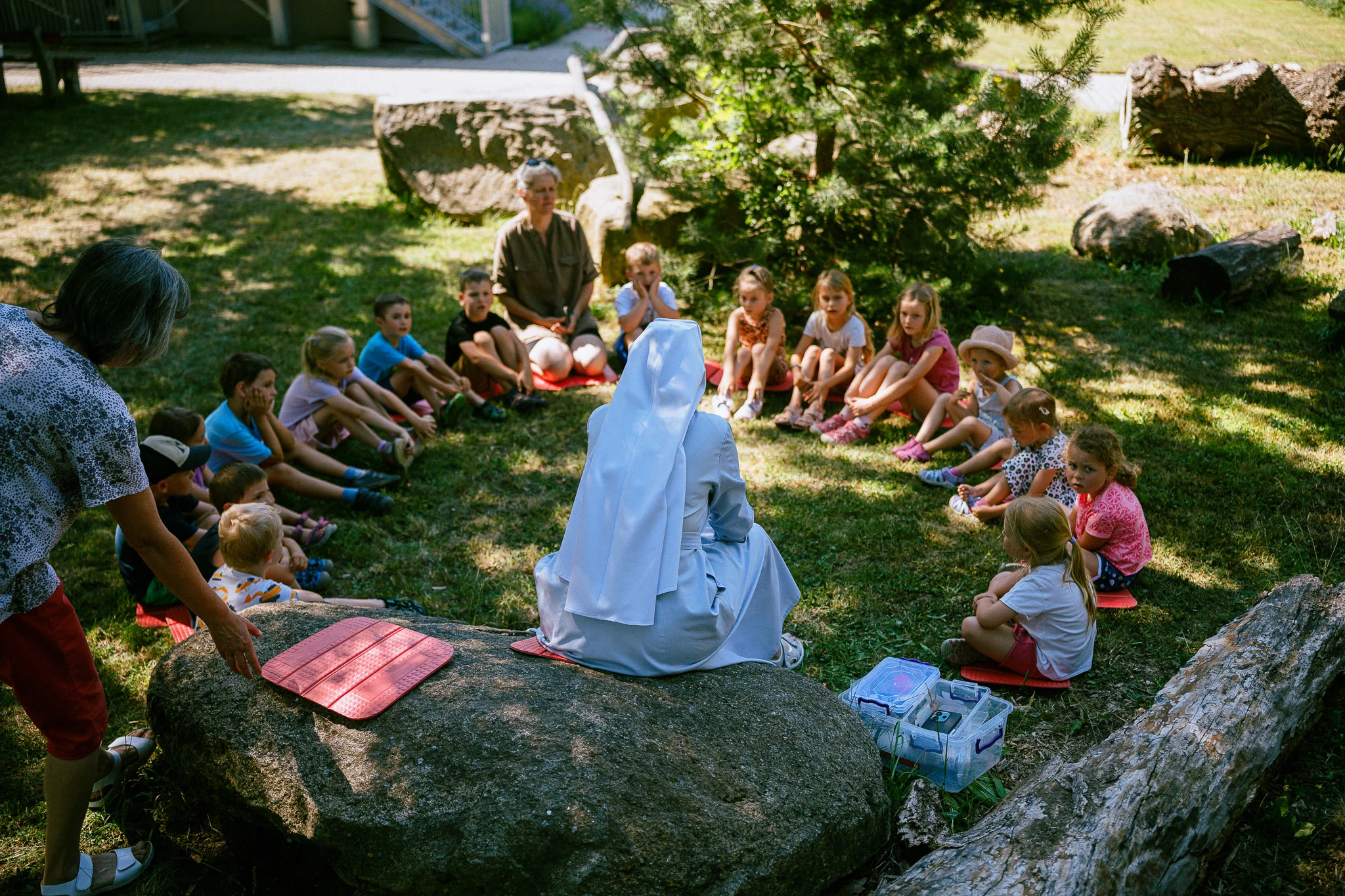
The Ministry of Education, Youth and Sports, the Czech Chamber of Architects, the Union of Towns and Municipalities of the Czech Republic, and the Karel Komárek Family Foundation today presented a set of methodological documents under the concept The school garden is a living classroom. Its three parts establish a framework for changing the way school gardens are understood as strategic components of educational and public infrastructure. Ideally, the transformation of kindergarten gardens should reflect the latest trends in education in line with the revised Framework Educational Programme, requirements for aesthetics and safety, and the practical capacities of school founding bodies. All of this serves the education and healthy development of preschool children.
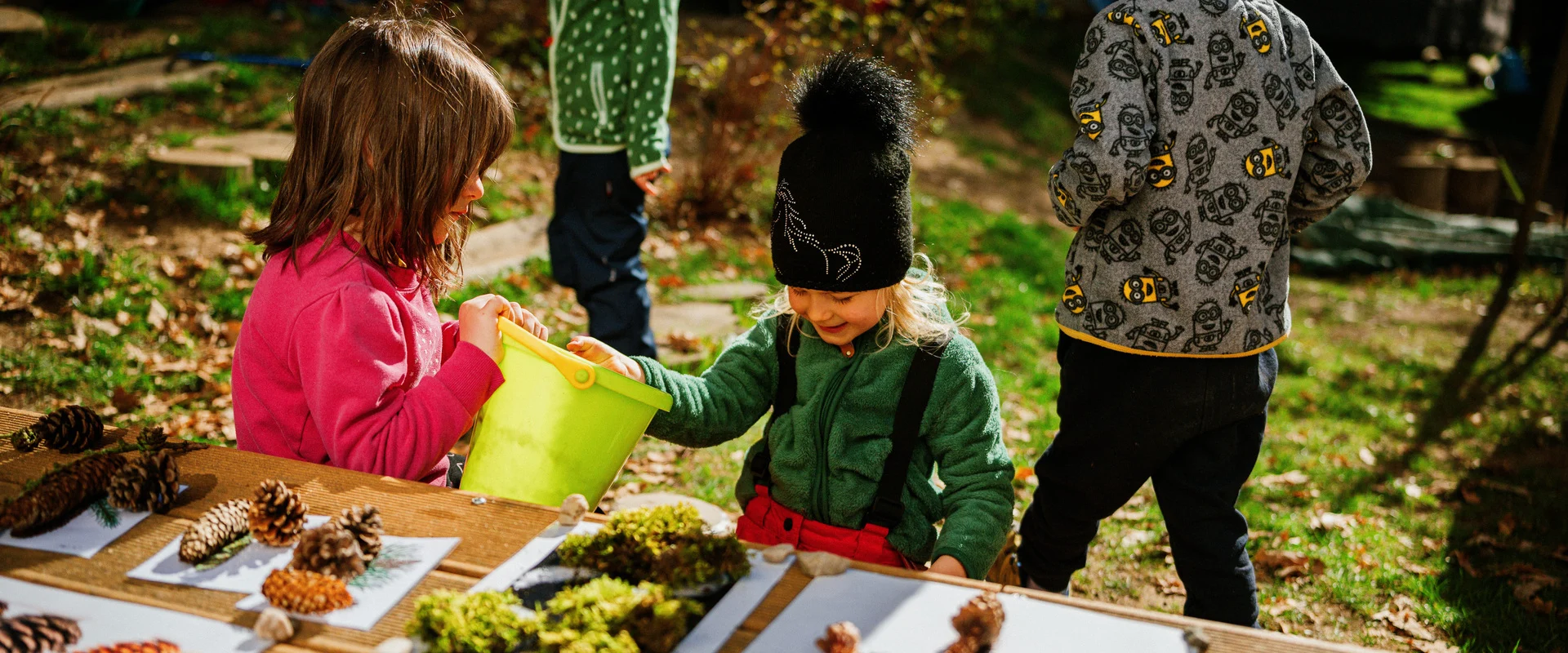
Standards as a Tool for Systemic Change
The documents published under the concept The school garden is a living classroom: School Garden Standards, initiated by the Karel Komárek Family Foundation, provide teachers, architects and kindergarten founding bodies, for the first time in such a comprehensive form, with arguments for viewing school gardens as fully fledged educational environments rather than simply places for play.
These practical guidelines show how to take the needs of preschool children into account when developing, transforming and using school gardens. They also explain how to create high‑quality architectural designs that connect educational objectives with safety requirements, efficient operation and respect for natural processes. An approach to school gardens must also consider the responsibility of founding bodies for the development, management and long‑term maintenance of public property.
„More than two years ago, we joined forces with experts who share our ambition to change the approach to kindergarten gardens. Our collaboration has resulted in three new sets of standards that will help teachers, architects and founding bodies transform kindergarten gardens into fully fledged and inspiring environments for children's education and development.“

KKFF Director
Ministry of Education: Standards Show How to Transform School Gardens into Fully Fledged Educational Environments
The Ministry of Education, Youth and Sports recognises school gardens as an important part of the educational environment in kindergartens. A well‑designed garden, used thoughtfully by teachers, offers children opportunities to learn through direct experience, discover natural processes, develop physical skills, independence and cooperation with others. It also naturally supports their physical fitness and resilience.
This approach aligns with the direction of the revised Framework Educational Programmes, which promote learning in context and children's active involvement in exploring the world around them. The The school garden is a living classroom guidelines can help kindergartens make better use of these opportunities and integrate gardens into everyday education.
„Preschool education does not take place only in the classroom. A garden offers a unique environment where children can explore the world through their own experiences, ask questions, investigate nature, move naturally and learn to cooperate. We want to support kindergarten environments that enable children to develop their abilities and natural curiosity. The The school garden is a living classroom guidelines make a valuable contribution to ensuring that gardens become a fully fledged part of education and that both teachers and children can make the most of their potential.“

Minister of Education, Youth and Sports
Czech Chamber of Architects: A High‑Quality School Garden Is Designed as a Coherent Whole
The relevant section of the guidelines provides architects and landscape architects with practical guidance for designing these spaces. It takes them through the entire preparation process, from the initial investment proposal and landscape architectural study through design documentation to contractor selection, design supervision and long‑term maintenance. The guidelines thus help ensure that gardens are developed in line with a long‑term vision and prevent isolated interventions that lack spatial or functional connections. They also emphasise the role of landscape architects as professionals capable of coordinating different requirements and translating them into functional, safe and sustainable environments.
„We consider a systematic approach to planning and transforming kindergarten gardens a step in the right direction. A well‑designed school garden can significantly influence children's everyday lives, their physical activity, independence, relationship with nature and the way they learn. That is why it is important to approach its design as a coherent whole, taking into account the needs of children and teachers, safety, microclimate, water management and subsequent maintenance.“

President of the Czech Chamber of Architects
Union of Towns and Municipalities of the Czech Republic: Kindergarten Gardens Are an Investment in Children and the Future of Municipalities
According to the results of a questionnaire survey, 61.6% of respondents consider the garden equally important as the kindergarten interior. However, this importance is not always reflected in long‑term plans and investment priorities.
The guidelines help municipalities define objectives for garden development, prepare high‑quality project briefs and connect the needs of kindergarten management and teachers with the professional perspective of architects. Yet cooperation with architects is not always standard practice. According to the survey, 21.4% of respondents stated that such cooperation is not a regular part of project preparation.
Long‑term planning and funding are also important issues. Some 36% of the founding bodies surveyed lack a long‑term garden development plan covering five to ten years. A total of 60% report that investment is limited when grant funding is unavailable.
„Kindergarten gardens are an important part of the environment in which children grow up and learn. However, their importance is not always reflected in long‑term planning and stable funding. A high‑quality garden requires a sound design, a clear vision for future development, appropriate investment and arrangements for subsequent maintenance. The standards for founding bodies can therefore help towns and municipalities approach these investments systematically and connect the needs of children and kindergartens with responsible planning and management of municipal property.“

Executive Director of the Union of Towns and Municipalities of the Czech Republic
The Guidelines Are Just the Beginning
The publication of the guidelines marks the beginning of new cooperation between the organisations to measure and evaluate the actual impact of systemic changes. Cooperation with universities will also be developed to prepare future kindergarten teachers to educate children in school gardens.
Photo Credits for Quotes:
- Robert Plaga: Ministry of Education, Youth and Sports of the Czech Republic (MŠMT)
- Jan Kasl: Czech Chamber of Architects (ČKA)
- Radka Vladyková: European Committee of the Regions (CoR)








Newsletter