Ark Project
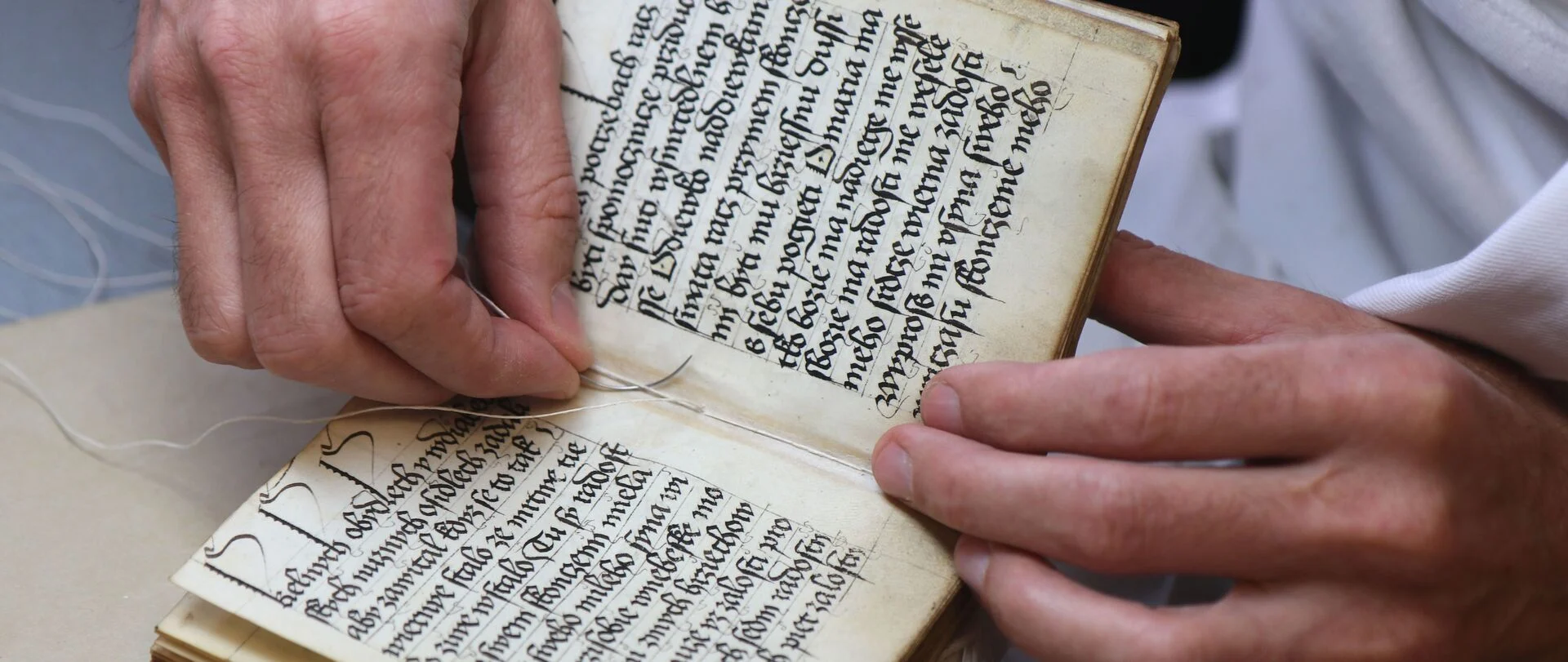
We have been involved in the creation of an extraordinary cultural project. Together with the Ministry of Culture of the Czech Republic, the National Library of the Czech Republic, and the National Museum, we support an initiative to preserve Ukrainian cultural heritage. The project consists of three arks (special mobile conservation and digitization units). We directly support two of them.
Collected 742 349 EUR
from 742 421 EUR
About the project
Since the beginning of the war against Ukraine, Russia has been deliberately destroying Ukrainian cultural heritage, which forms the national identity and historical memory of Ukraine. Attacks on historical buildings, libraries, galleries, theaters, and cultural institutions are widespread. For example, in Mariupol, Russian soldiers broke into a museum and took away valuable icons, among other artefacts. More than 400 cultural monuments have been destroyed. The number of these attacks continues to rise.
Ark I
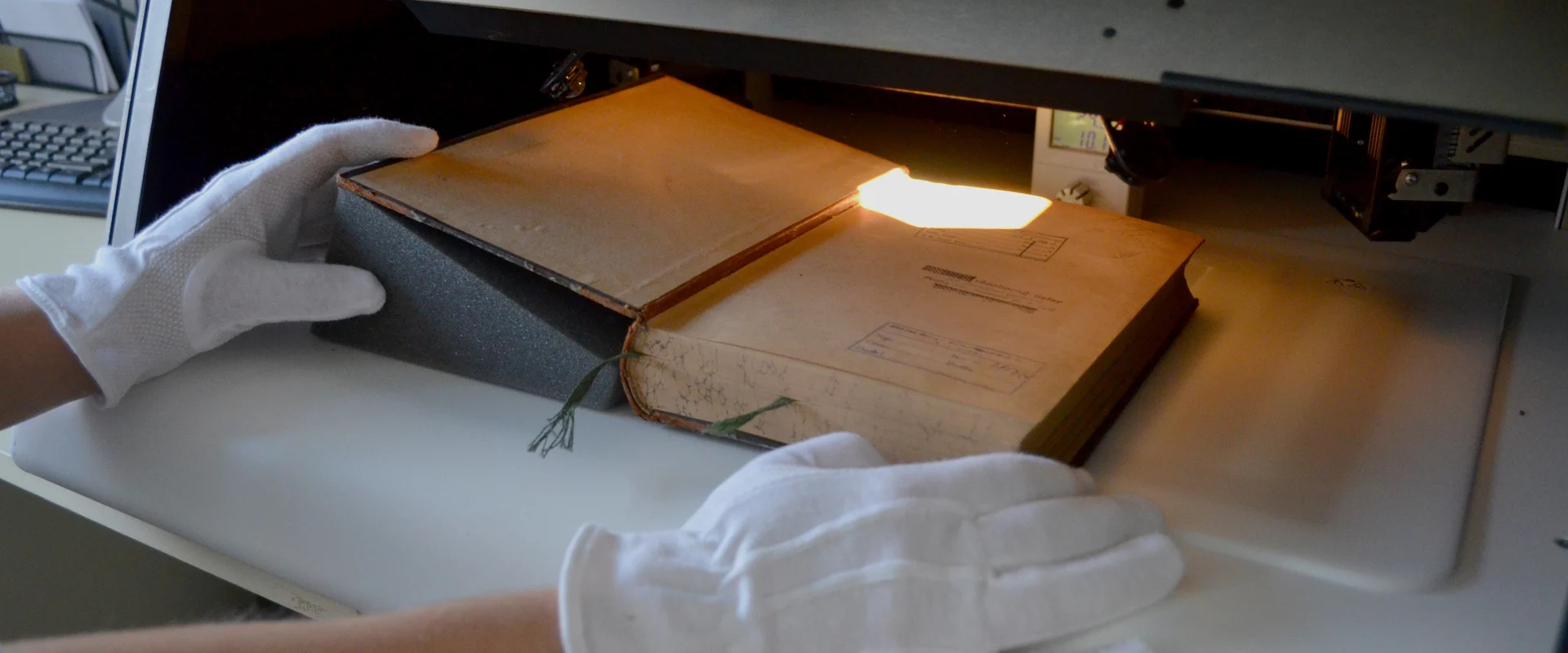
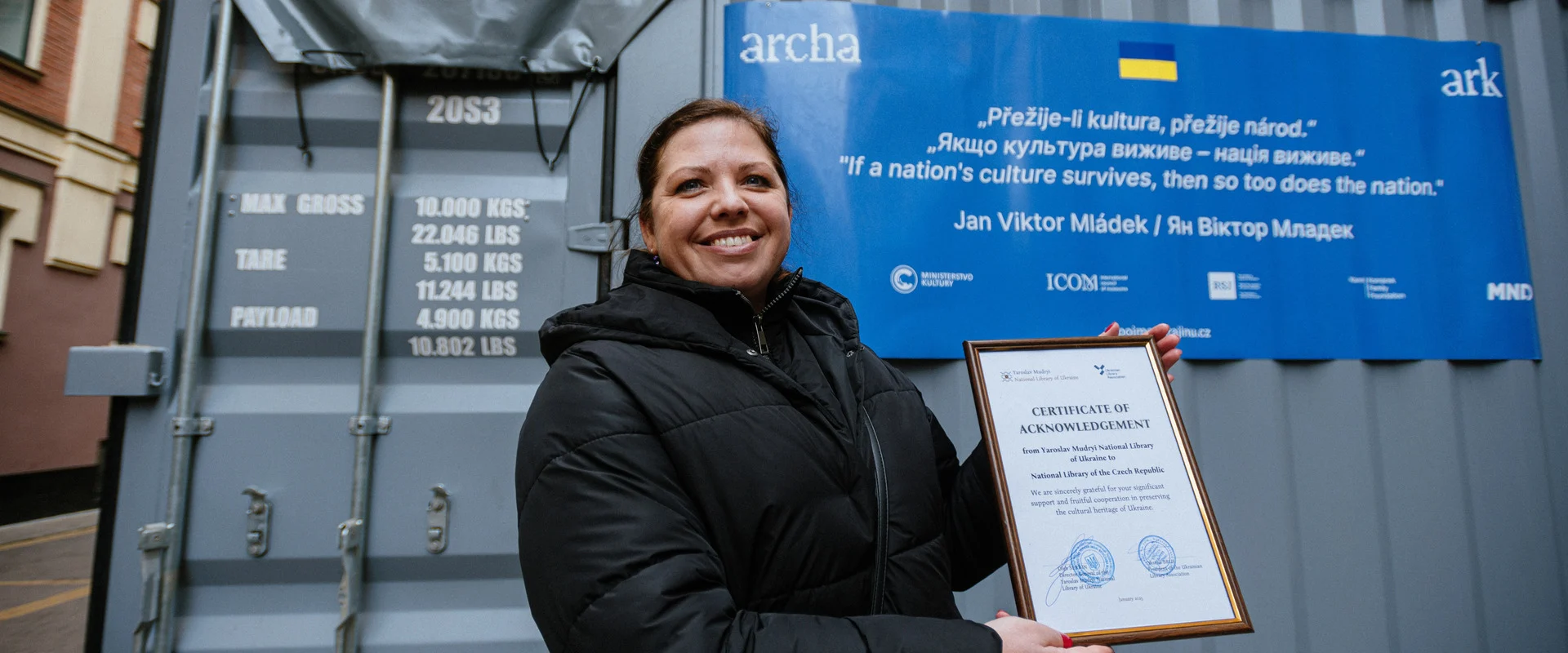
Our foundation and the company MND contributed to the creation of a mobile unit designed to protect and conserve written cultural heritage in crisis‑affected areas. A specially trained team carries out professional interventions and the restoration of library collections. The workplace can be extended to include shelters outside the container and some activities can be carried out outside the mobile unit. Thanks to the mobile unit, there is no need to transport works to specialized laboratories.
„I consider one of the most visible and meaningful examples of cooperation to be the multi‑day online training programme focused on the protection of world cultural heritage. It was led by leading experts from the National Library of the Czech Republic, it was attended by more than 270 staff members of Ukrainian memory institutions. The training significantly enhanced the participants’ practical skills and introduced them to mobile conservation interventions.“
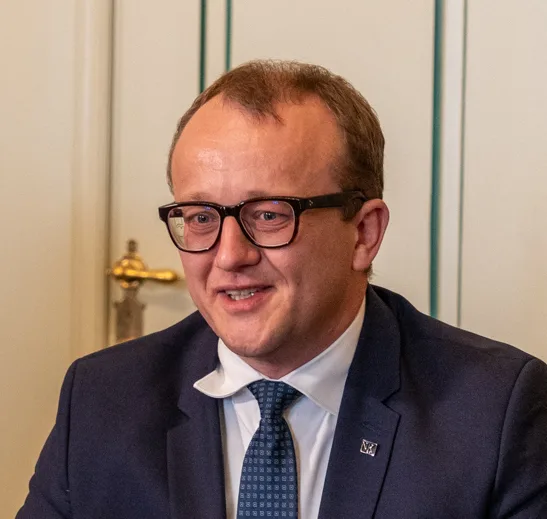
Director General of the National Library of the Czech Republic
Ark III
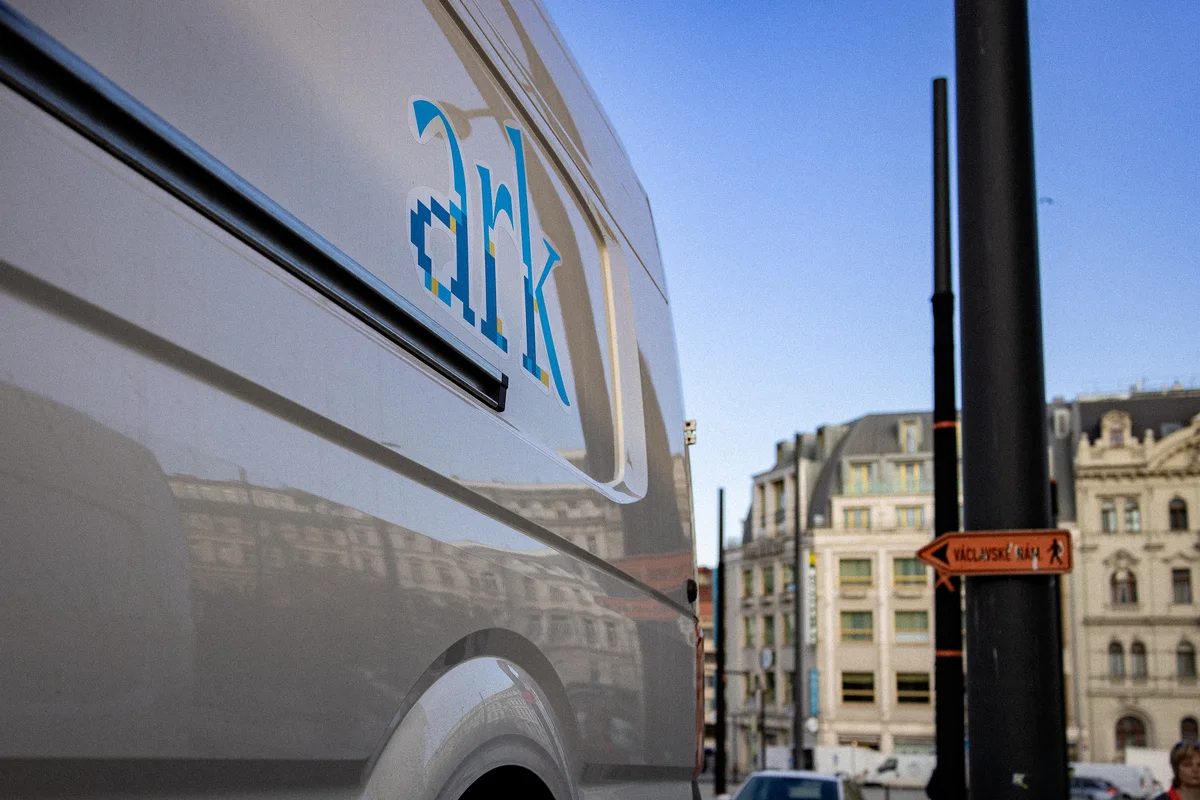
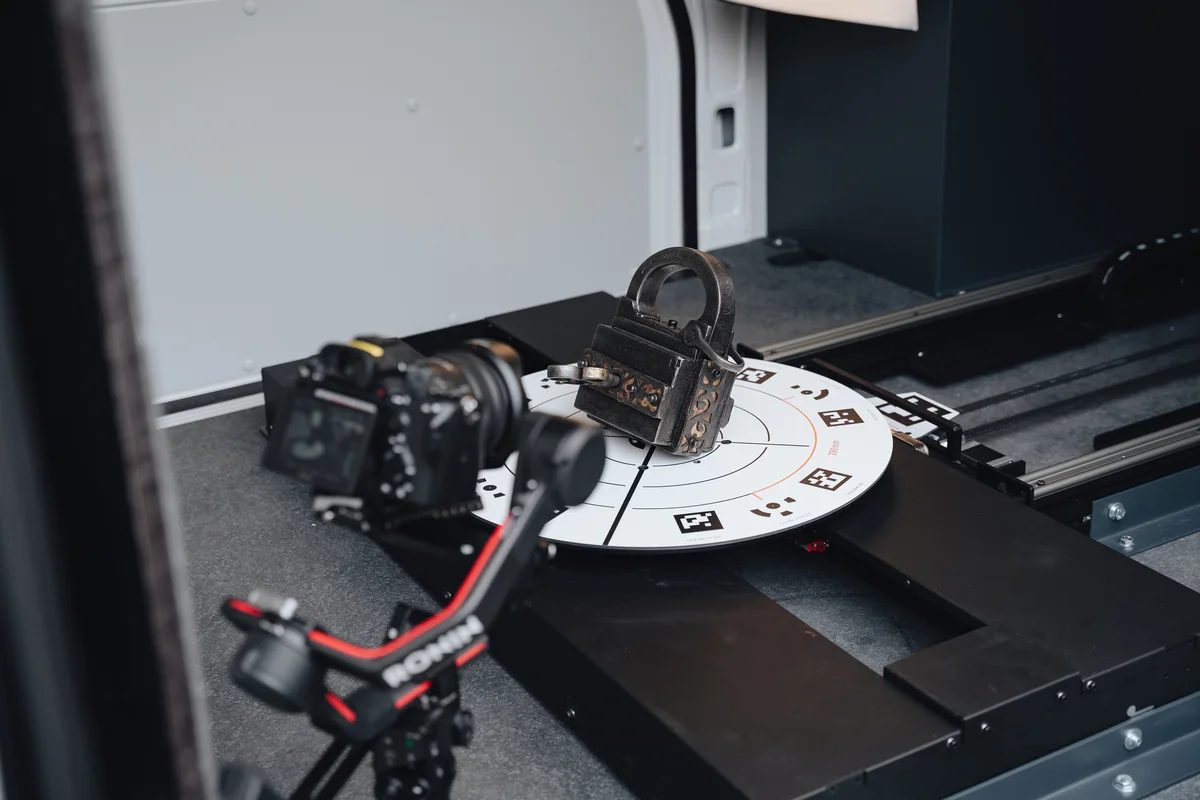
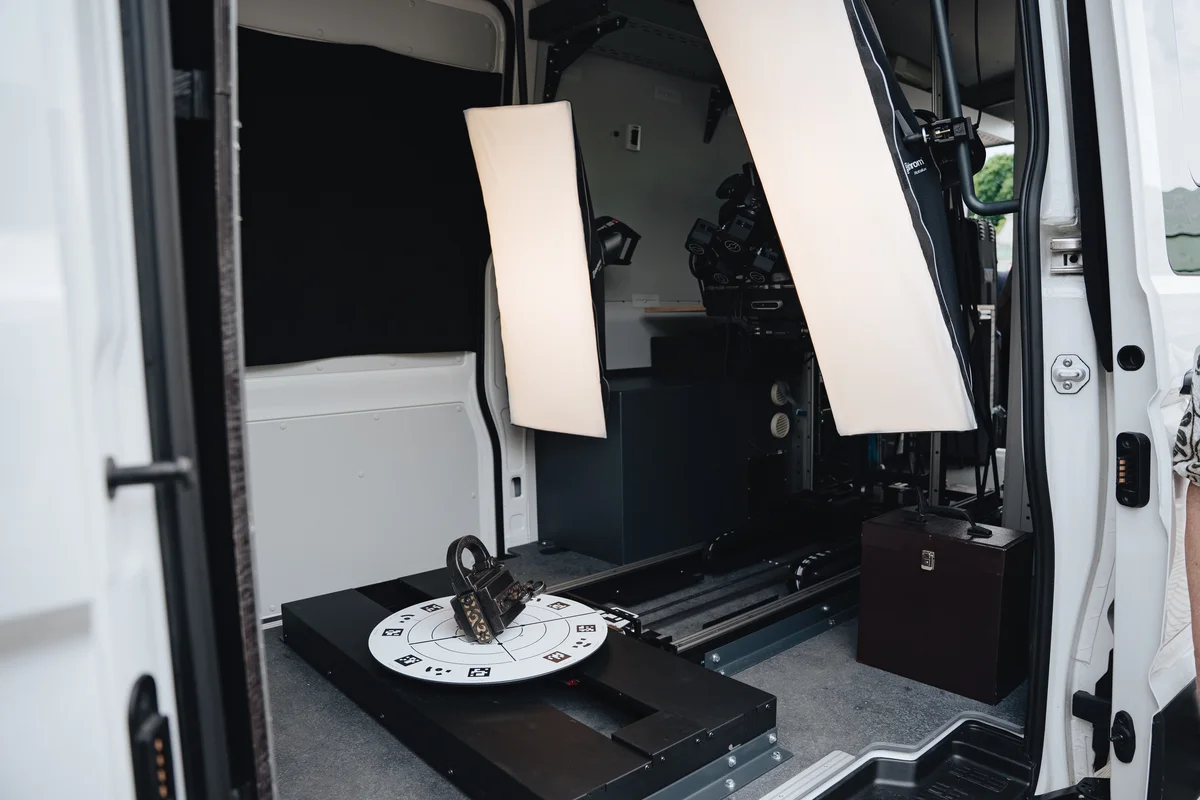
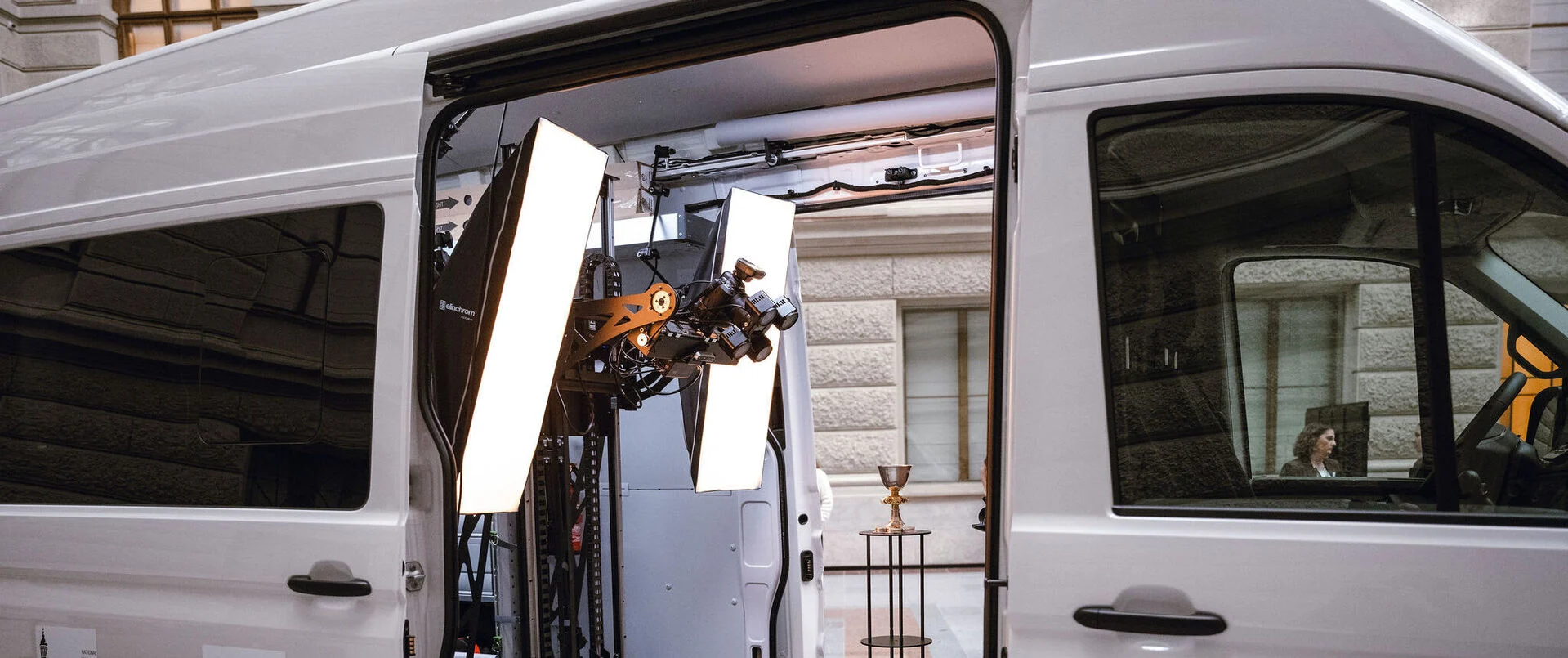
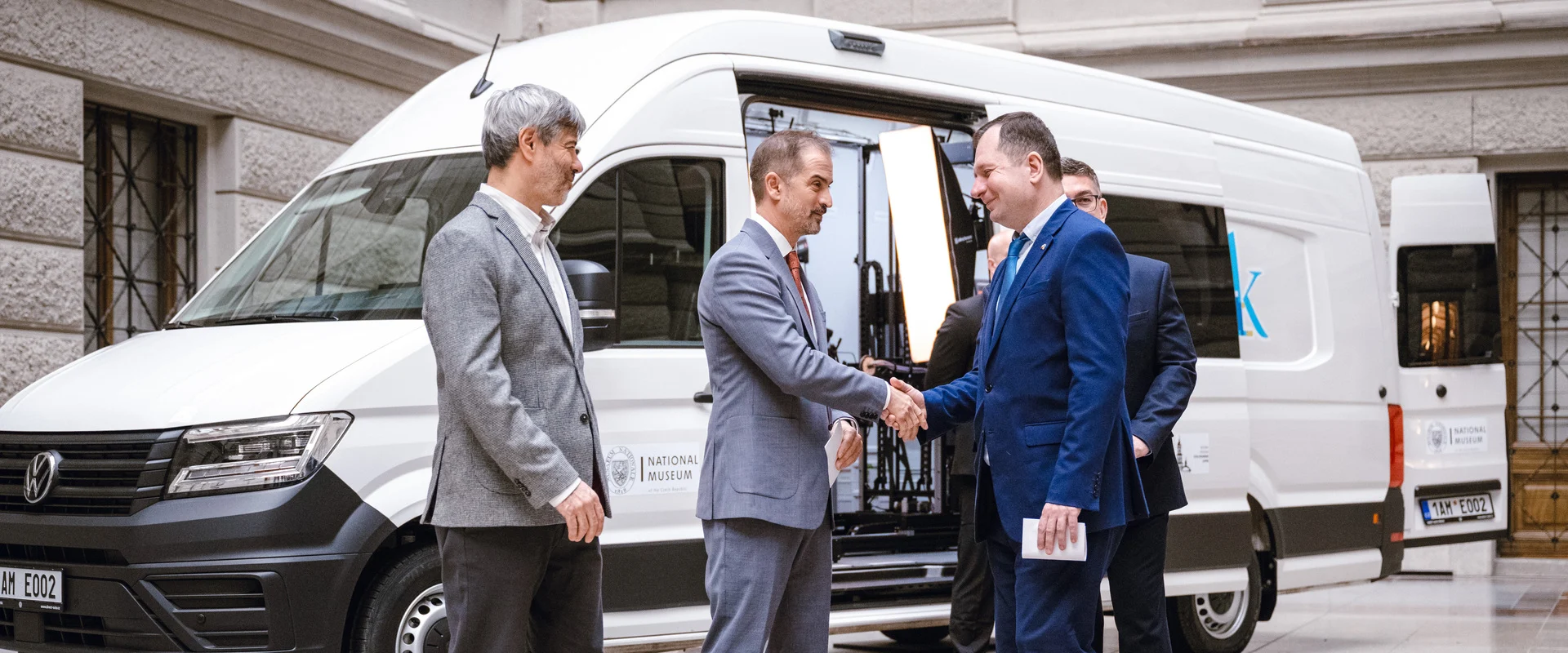
In cooperation with the National Museum of the Czech Republic, we developed the Ark III mobile digitisation station, a unique technology that enables detailed 3D recording of endangered heritage sites directly in the field. To achieve this, a specially adapted Volkswagen Crafter vehicle has been equipped with state of the art 3D scanners and photogrammetric systems capable of digitising objects of various sizes, from small artefacts to large historical objects.
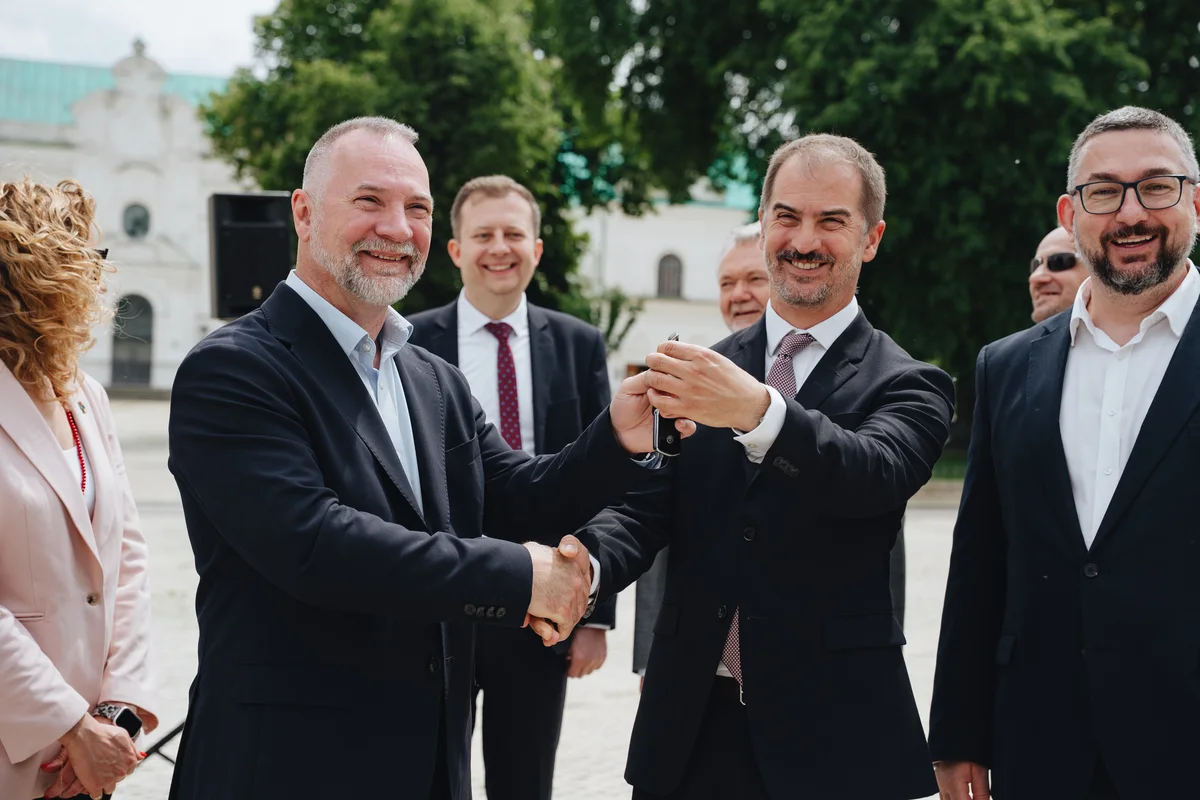
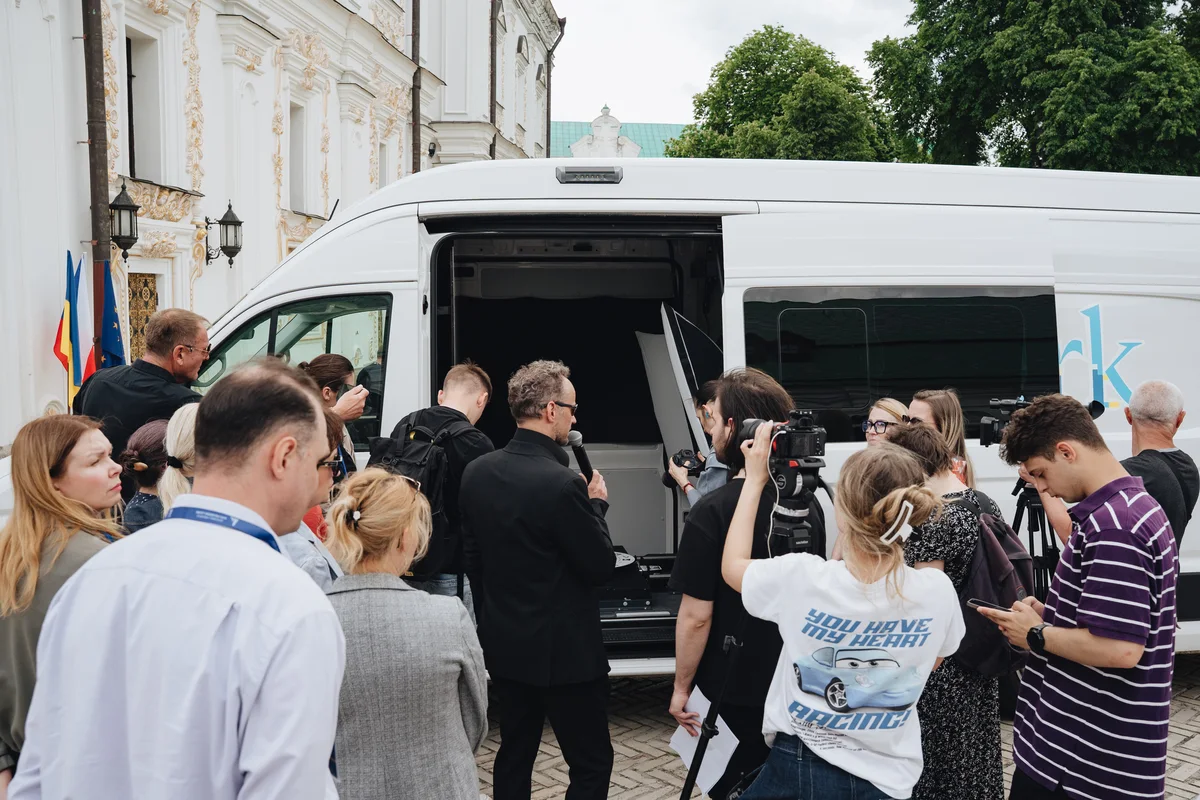
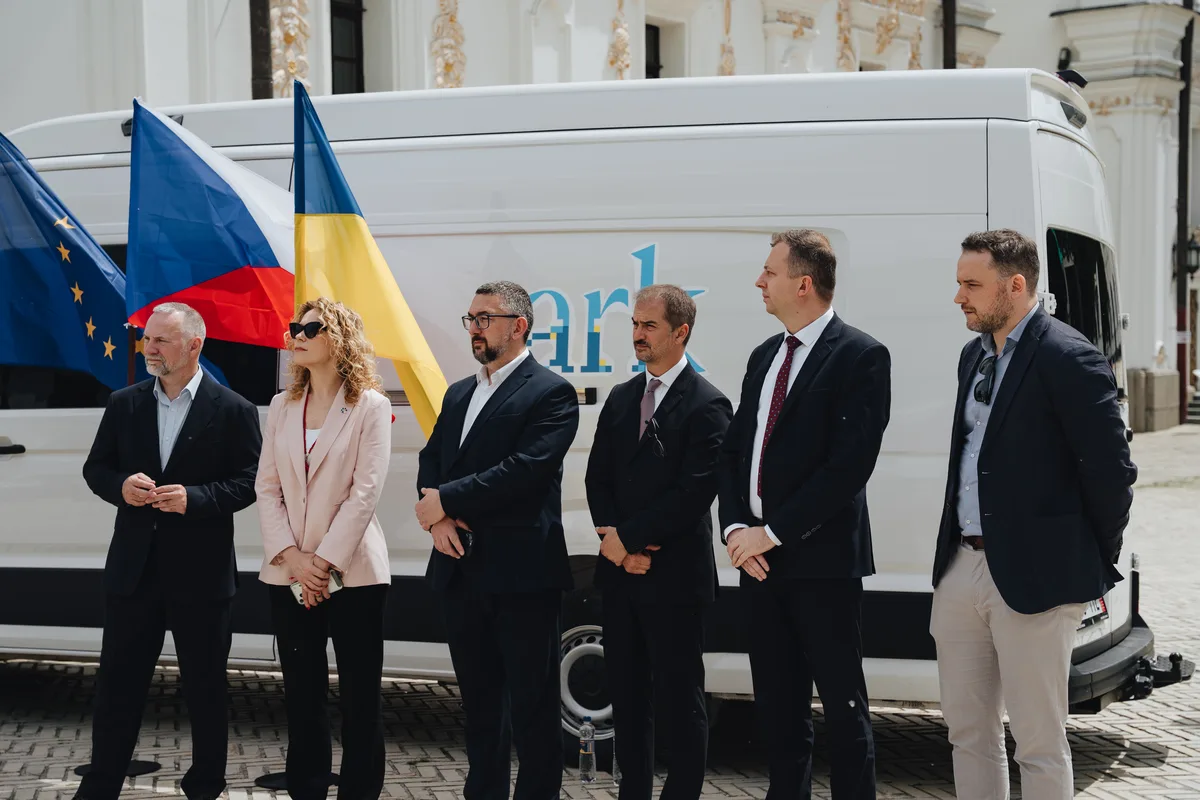
In May 2026, we handed over Ark III to the staff of the Kyiv Pechersk Lavra National Preserve in Kyiv along with representatives of the National Museum and the Ministry of Culture and Strategic Communications of Ukraine. This is where the vehicle began its work in Ukraine. In its first phase, it supports the digitisation of one of the country’s most important museum complexes, which manages more than 70,000 collection items and is part of the UNESCO World Heritage.
The resulting digital replicas are used for documentation, scientific research, and the possible restoration of damaged or destroyed heritage sites. The data is stored in a secure cloud environment and made accessible to experts through specialised interfaces.
The project also includes training for Ukrainian specialists, who use the technology not only in Kyiv, but gradually in other regions affected by the war as well. In this way, Ark III helps protect Ukraine’s cultural heritage and preserve its form for future generations.
„It is unacceptable for Ukraine to lose the most valuable elements of its national identity as a result of Russian aggression. Through the Ark project, we have responded to the urgent need to protect Ukrainian cultural heritage while joining forces with institutions that have the knowledge and experience necessary to achieve a shared goal: preserving the historical memory of the Ukrainian nation. The partnership between the private and public sectors has proven to be highly productive in this case. Its outcomes have a lasting character and can serve as a model for similar solutions in turbulent times, when the protection of culture should not become a marginal issue.“
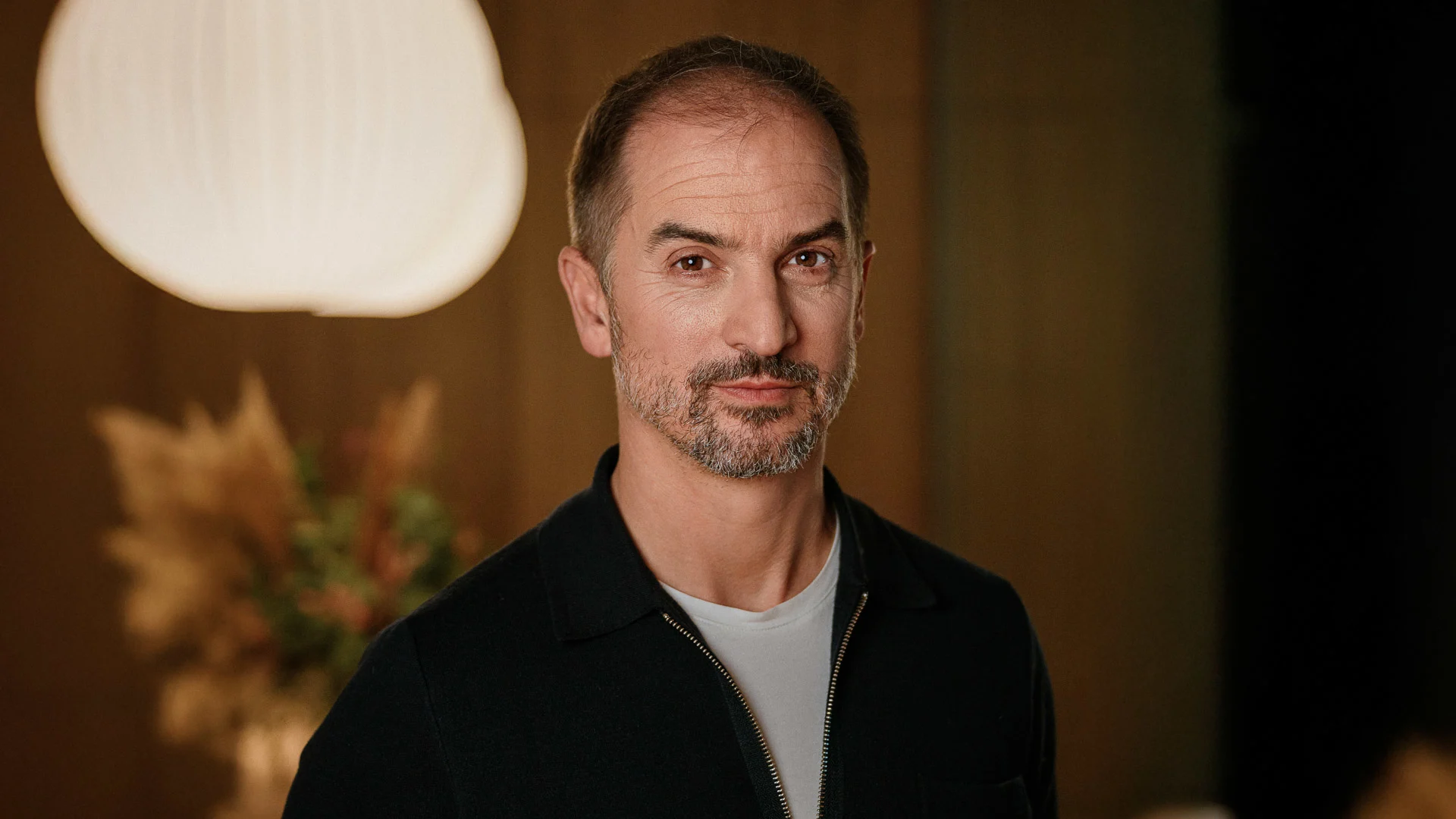
KKFF Director
„The National Museum is helping in Ukraine through concrete actions. From the very first days of the war, we have sought to support our Ukrainian colleagues, who are protecting their cultural heritage with extraordinary courage and dedication under daily threat. The Ark III project is an important step in this support, bringing modern technologies directly to where they are most needed. We greatly appreciate the support of the Karel Komárek Family Foundation, thanks to which this project could be realised. In the coming days, I will personally hand over this project in Kyiv, as an expression of respect and solidarity with those who are safeguarding cultural values that go beyond the borders of a single country.”“
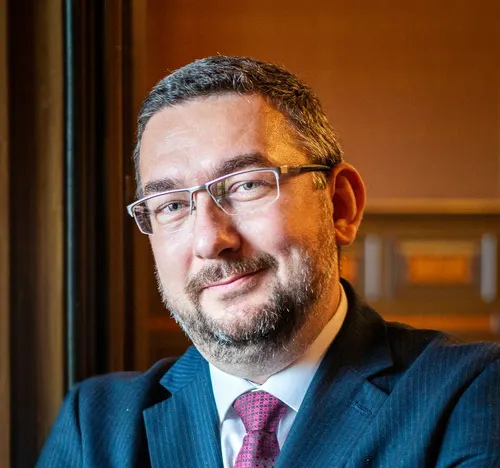
Director General of the National Museum of the Czech Republic.
„The main idea is to have the most faithful digital copy possible of an object, in case it is damaged. This makes it possible to capture the object’s condition before any damage occurs and then use the record for its restoration. To the best of our knowledge, a mobile unit designed in this way and in this form has not previously been implemented.“
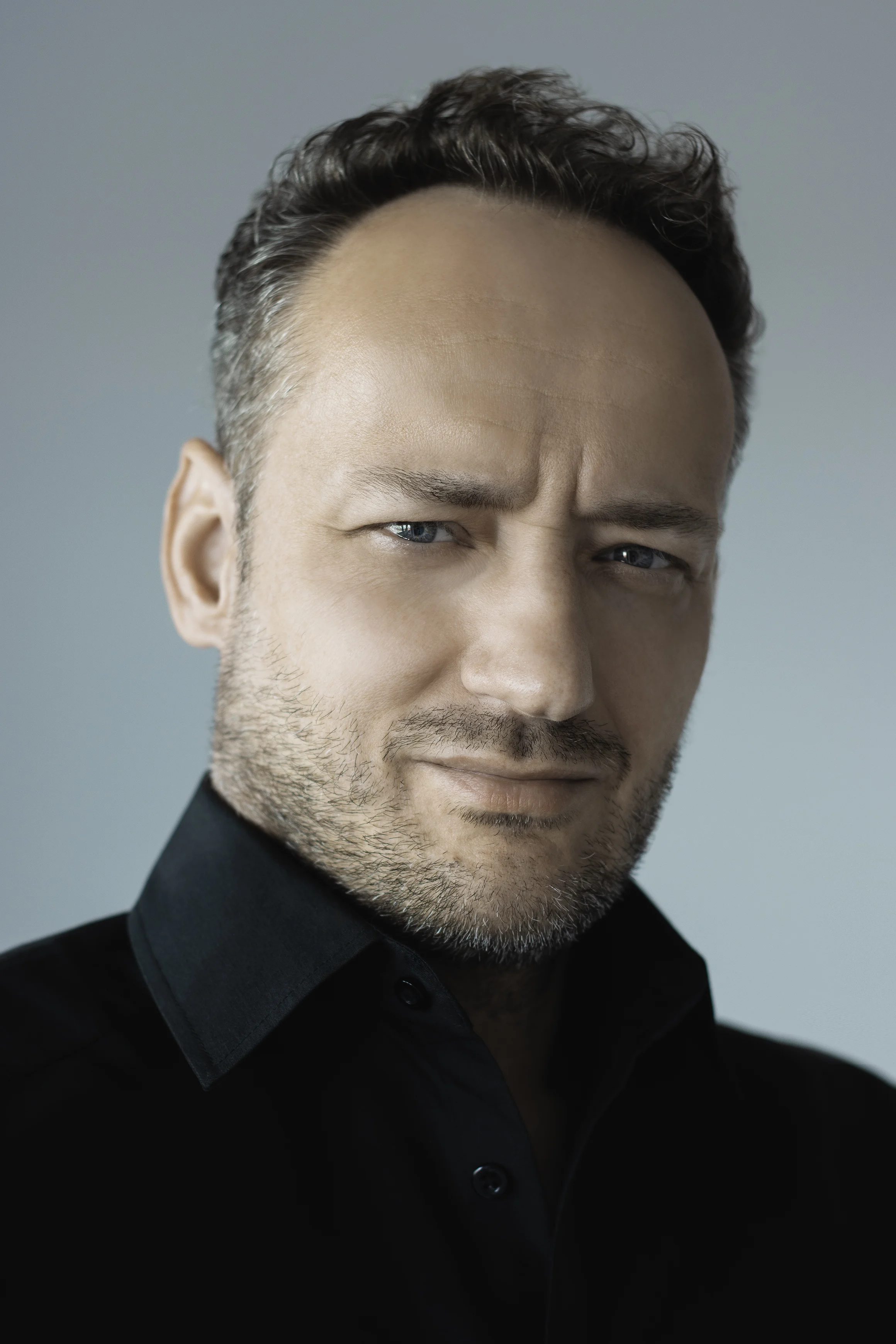
Conceptual author
Introducing Ark III
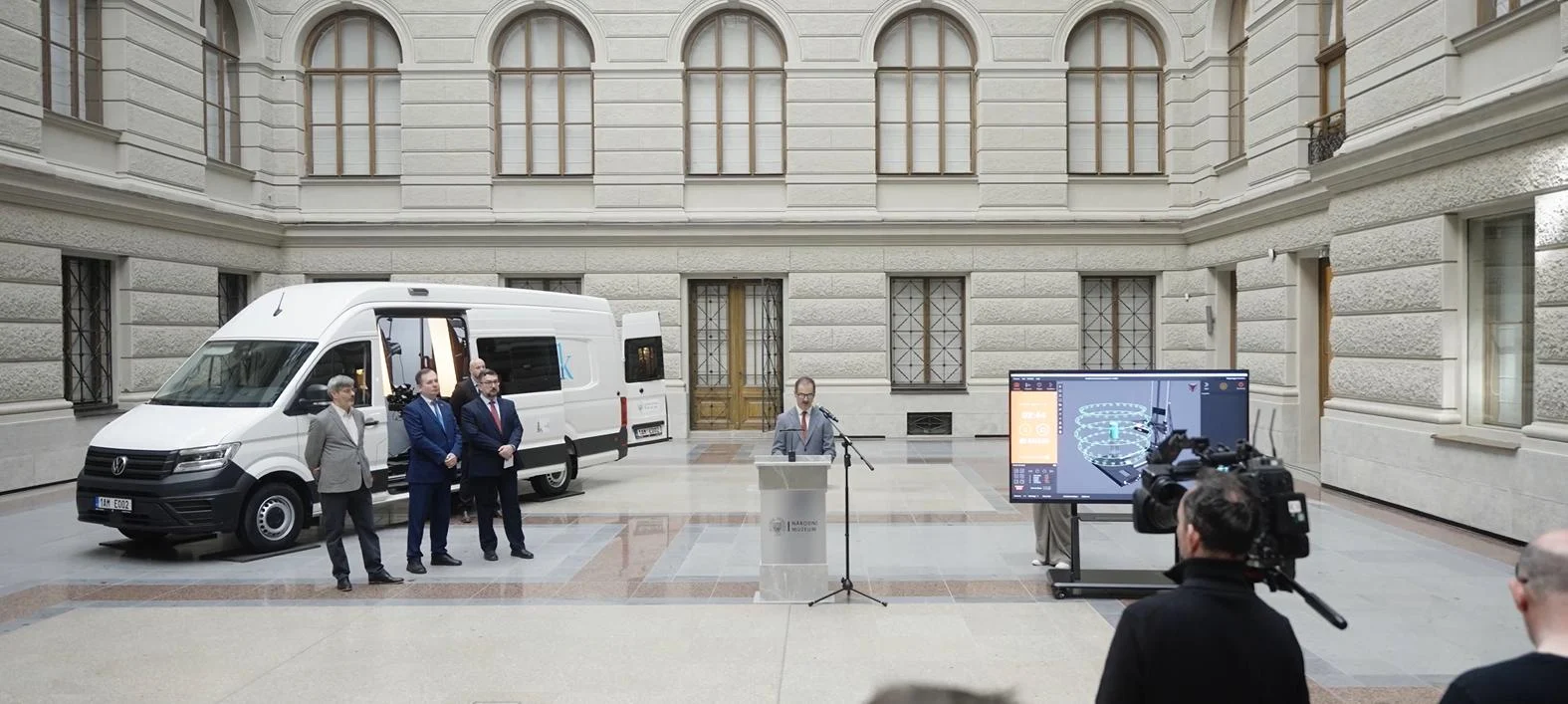
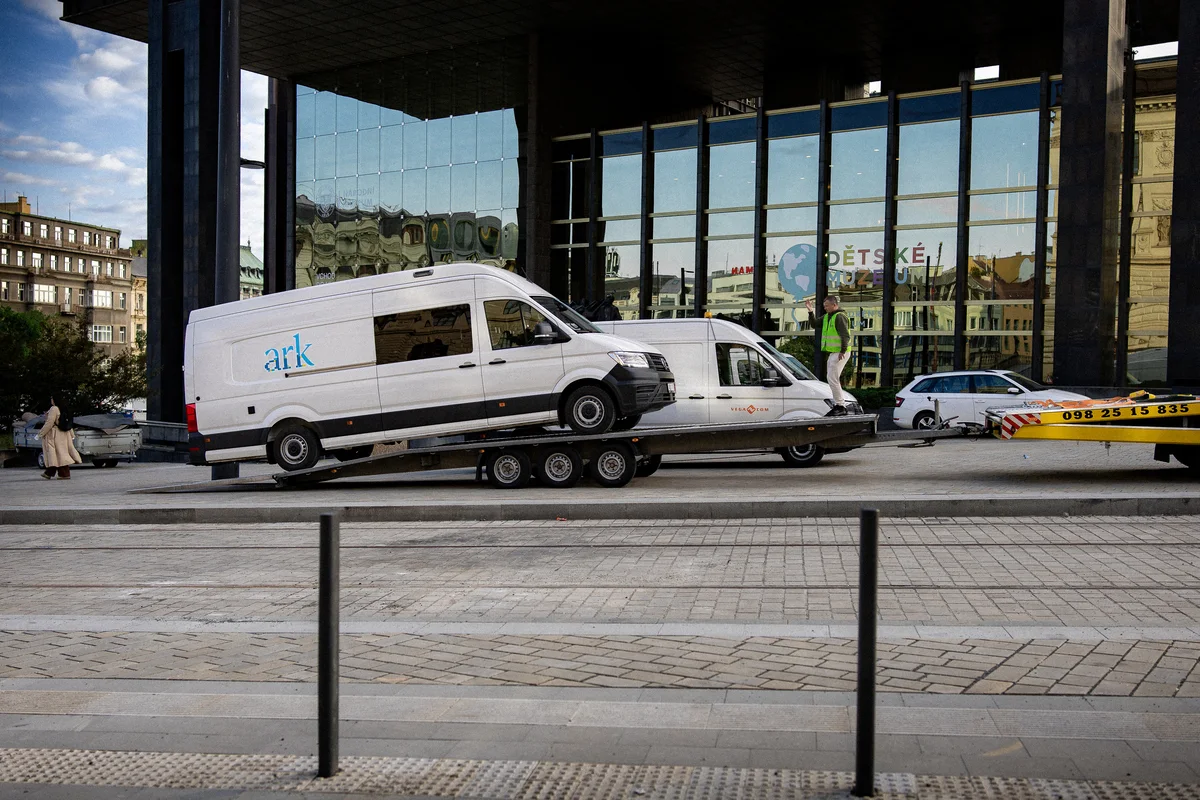
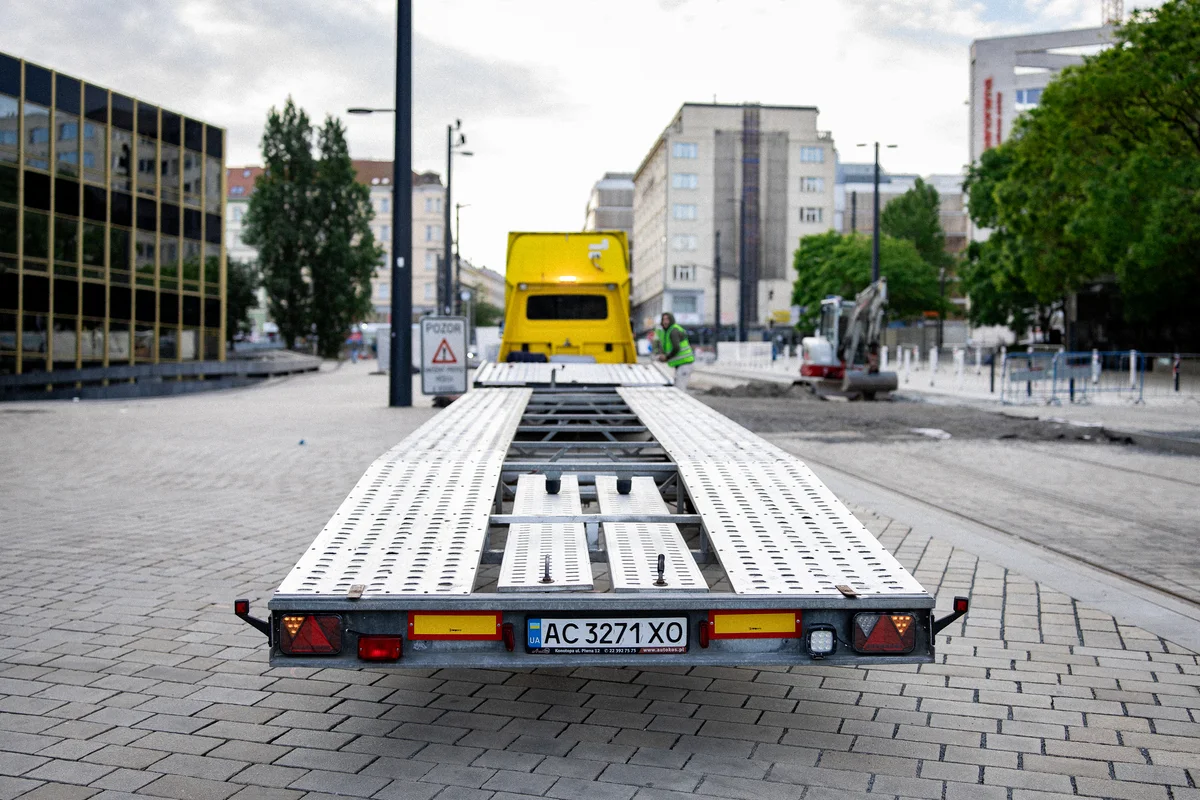
Departure of Ark III from Prague and the Official Handover Ceremony in Kyiv

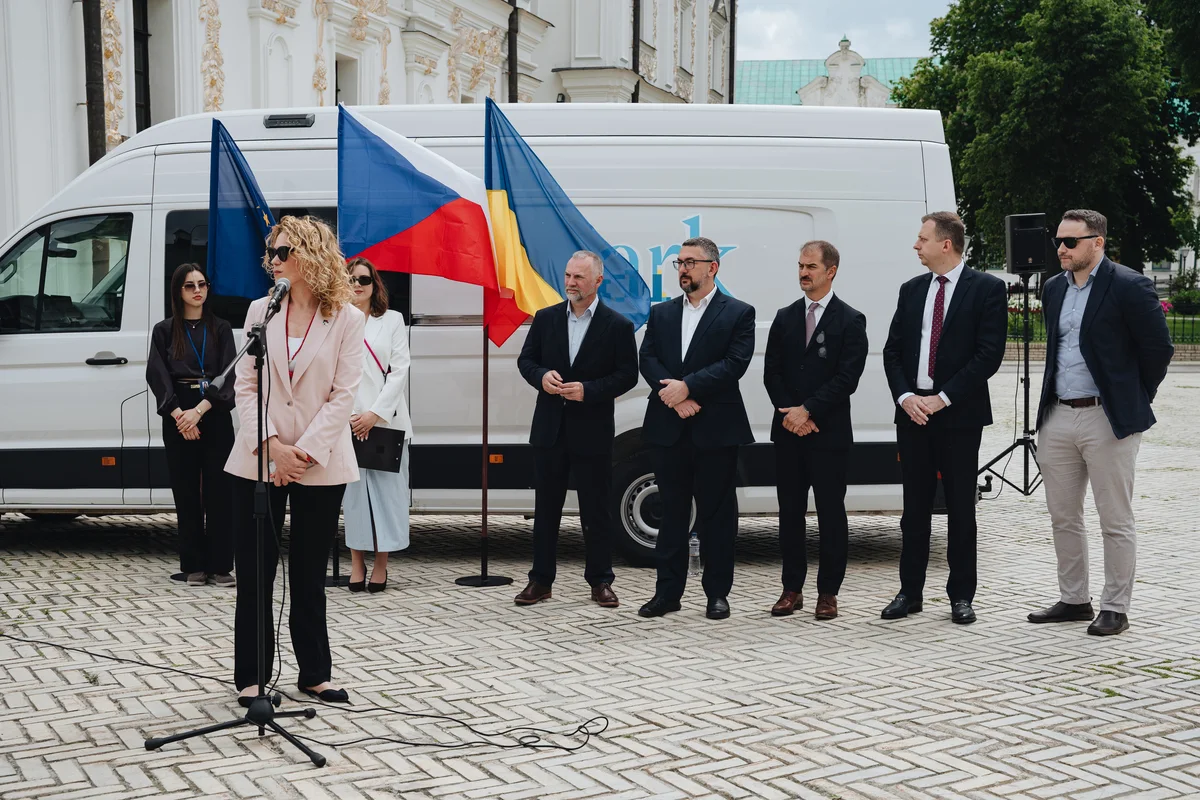
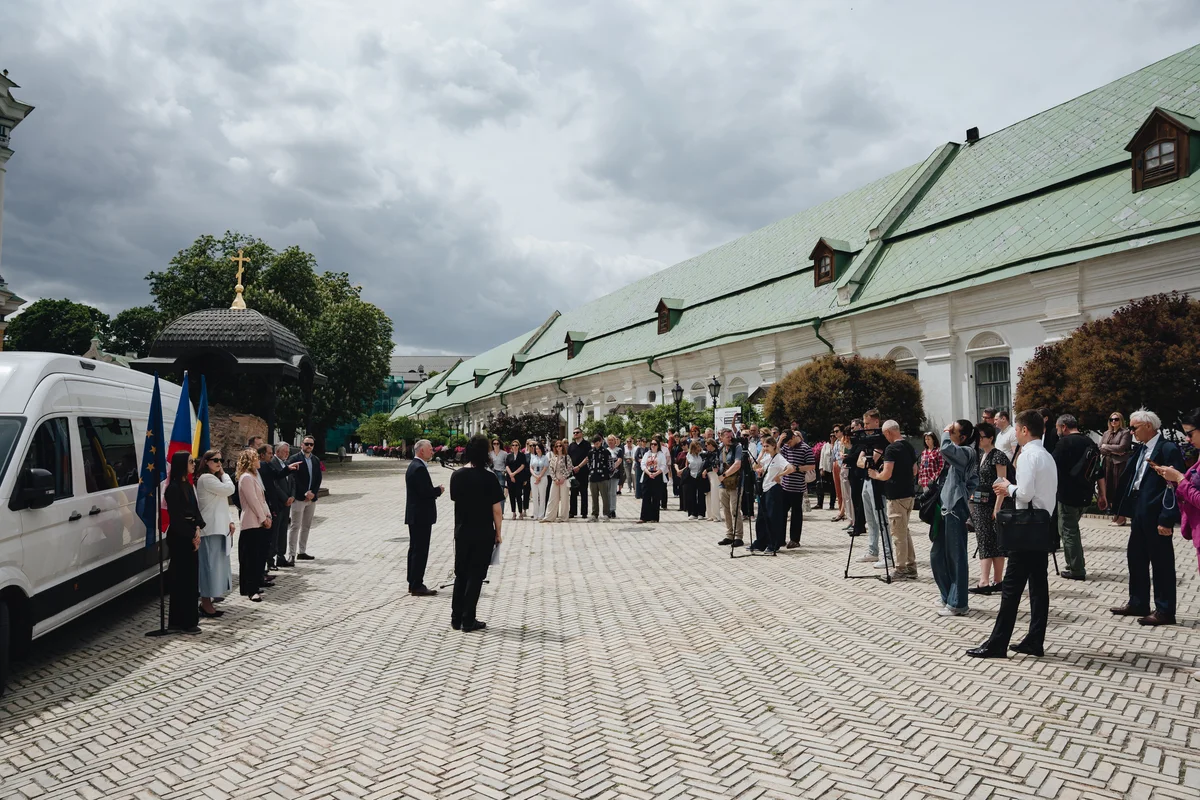
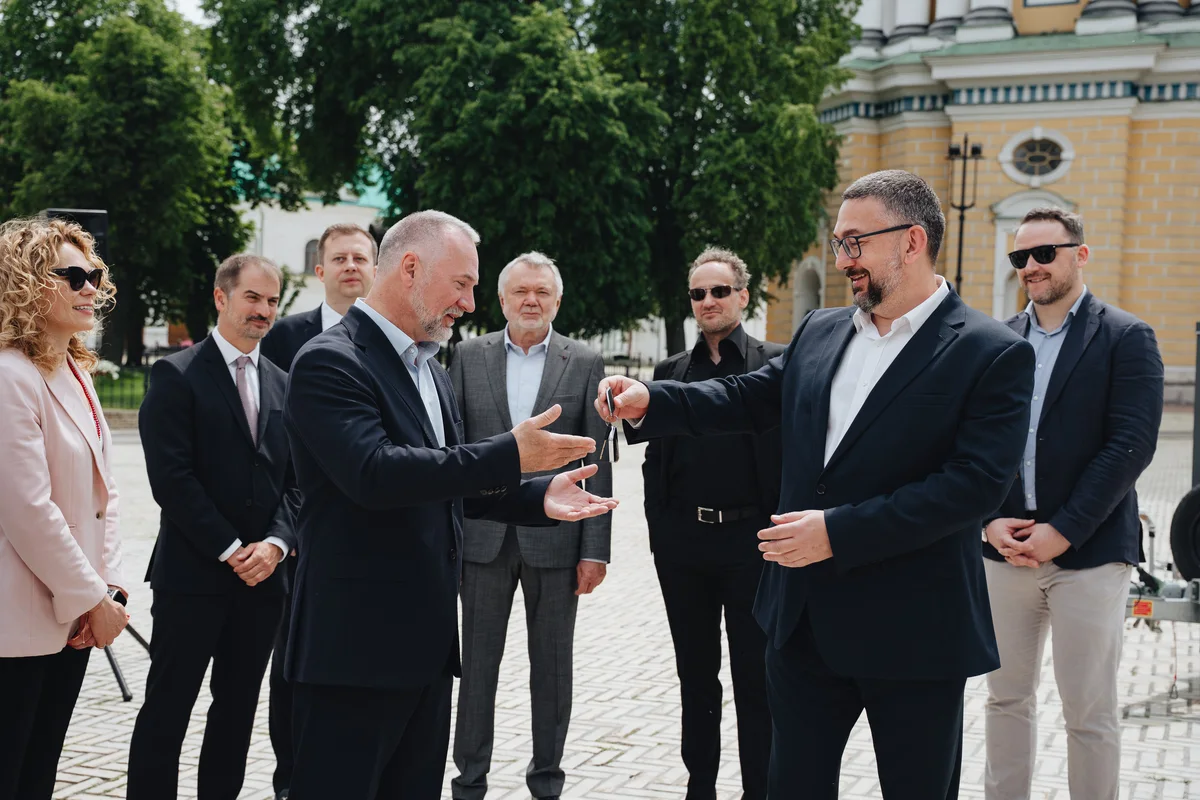
Official Handover Ceremony in Kyiv

Newsletter